
Understanding White Stringy Bits in Slow-Cooked Beef Roasts
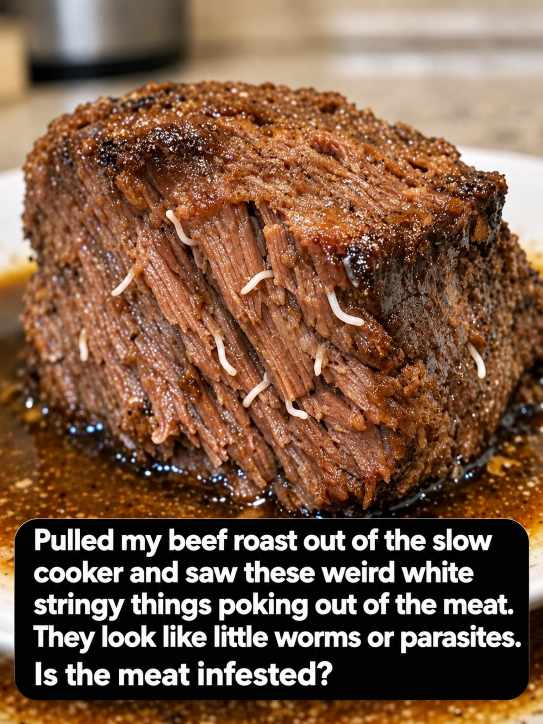
If you’ve ever pulled a beef roast out of the slow cooker and noticed peculiar white, stringy bits protruding from the meat, you might have felt a wave of concern wash over you. Do these resemble worms or parasites? Are they signs of spoilage? Before you discard your hard work and delicious meal, it’s important to understand what these white strands actually are and whether they pose any risk. This article delves deep into the nature of these white stringy bits, the science behind them, and how to determine if your beef is safe to eat.
What Are Those White, Stringy Bits in Beef?
Seeing unexpected items in your food can be alarming. However, the white, stringy bits in your slow-cooked beef are typically not what they may seem. Most often, these are parts of the meat’s natural structure, specifically connective tissue, which is completely normal and not harmful. Understanding the composition of beef can help demystify these appearances.
The Role of Connective Tissue in Meat
Connective tissue is an essential component of meat, providing structure and support. In beef, connective tissues primarily consist of collagen, which is prevalent in tougher cuts. When slow-cooked, collagen breaks down into gelatin, resulting in a tender and juicy piece of meat. Common cuts such as chuck roast and brisket contain significant amounts of connective tissue, contributing to the character and flavor of your dish.
How Slow Cooking Affects Beef Structure
Slow cooking is a technique that involves cooking meat at low temperatures for extended periods. This process allows tough muscle fibers and connective tissues to soften, transforming your roast into something tender and flavorful. Here’s how the cooking process influences the appearance of those white strands:
Transformation of Collagen to Gelatin
As the beef roast cooks, collagen gradually converts into gelatin, which enhances the texture and palatability of the meat. This transformation can make visible strands of connective tissue appear more pronounced, often showing up as white or pale strings throughout the roast
. The moist environment of a slow cooker is ideal for this process, making it an excellent choice for preparing tougher cuts that contain ample connective tissue.
Myth of Worms and Parasites
While it’s natural to fear that the white fibers could be worms or parasites, the likelihood of this is extremely low. Generally, if the appearance is irregular but follows the patterns of connective tissue, it can be reassured that they are simply natural components of the meat. However, there are steps to confirm that the meat is genuinely safe to consume.
Identifying Common Signs of Spoilage
Although many white strands are normal, there are other indicators to look for that might suggest spoilage or contamination. Here are some key signs of concern:
- Unpleasant Odor: Meat that smells sour, rancid, or off is likely spoiled.
- Unusual Texture: A slimy or sticky texture that’s not attributable to the cooking process can be a red flag.
- Unexpected Discoloration: Greenish patches or abnormal colors, especially when coupled with off-smells, should be approached with caution.
- Improper Storage: Meat that has been stored at unsafe temperatures can be a significant risk, even if it looks and smells normal.
When to Seek Professional Advice
If you are unsure about the appearance or condition of your beef roast, it’s best to seek advice from a qualified food safety expert or contact the retailer where you purchased the meat. In most cases, when in doubt, it is prudent to err on the side of caution and avoid consuming anything that looks suspicious.
Normal Appearance vs. Potential Risks
The visual characteristics of white strings can sometimes be ambiguous. Therefore, understanding the differences between normal connective tissue and potential contamination is critical for food safety. Here are a few tips to help reinforce your understanding:
Characteristics of Normal Connective Tissue
Connective tissue typically appears as:
- Irregularly shaped strands or bands.
- Pale, gelatinous material that becomes soft and tender during cooking.
- Strings that can easily separate with a fork.
Identifying Potential Parasites or Other Contaminants
If any material that resembles an organism is present, or if there are unfamiliar textures, it is advisable to discard the meat and consult a food safety professional. Always remember, just because something appears normal does not guarantee safety, especially if there are signs of improper handling.
Safe Cooking Practices for Beef
Ensuring your beef is cooked safely is vital for minimizing the risk of foodborne illness. The USDA recommends specific internal cooking temperatures for beef:
- Whole Cuts of Beef: A minimum internal temperature of 145°F (63°C) with a rest period of three minutes.
- Ground Beef: Should be cooked to an internal temperature of 160°F (71°C).
- Slow-Cooked Roasts: These typically reach higher temperatures due to the extended cooking time; however, always verify with a thermometer for accuracy.
The Importance of Using a Food Thermometer
A food thermometer is an essential kitchen tool that ensures your beef not only reaches safe cooking temperatures but also helps guarantee that the quality of your meal remains high. Investing in a reliable and accurate thermometer can make a significant difference in ensuring your cooking is both safe and effective.
Conclusion
Seeing white, stringy bits in your slow-cooked beef roast may initially raise concern, but understanding the nature of these fibers can ease your worries. Typically, they are harmless connective tissues that contribute to the tender and rich texture of your meal. However, always stay vigilant for any signs of spoilage and store and cook your meat safely. When in doubt, it’s best to consult a professional to ensure your culinary creations remain both delicious and safe.
