
Understanding Bloated Food Packaging: What It Means and Why It Matters
If you’ve ever picked up a bag of chips or a can of soup only to notice it’s puffed up and bloated, you might wonder what this means for the contents inside. While sometimes harmless, bloated food packaging can also be a crucial indicator of food safety issues. In this article, we’ll delve into the reasons behind bloated packaging, how to assess food safety, and tips for proper food storage to ensure your meals are safe and delicious.
What Causes Food Packaging to Become Bloated?
Food packaging can become bloated for various reasons, and understanding these causes can help you make informed decisions when grocery shopping or preparing food at home. The main reasons include:
- Safety Measure: Some snack foods, like potato chips, are intentionally packaged with gas to prevent crushing and maintain freshness.
- Microbial Growth: In certain perishable items, bloating indicates spoilage due to gas produced by harmful microorganisms.
- Temperature Changes: Fluctuations in temperature during shipping or storage can also lead to bloating in packaging.
Bloating as a Safety Measure
For products like chips and other snack items, manufacturers often use nitrogen gas in the packaging process. This inert gas fills the bag instead of regular air, creating a protective layer around the food. This method not only keeps the snacks from being crushed during transport but also inhibits oxidation, retained flavor, and maintains crispiness. Therefore, a puffed-up bag of chips is generally a good sign, as it indicates that the product is sealed correctly and should still be fresh.
Bloating Due to Spoilage
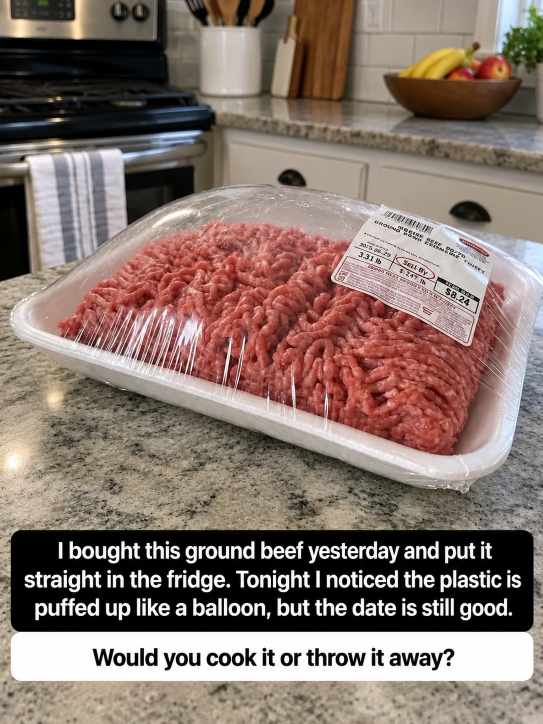
On the other hand, when it comes to perishable foods like dairy products, meats, and canned goods, bloated packaging can signal something concerning. In these cases, swelling is often caused by gas-producing microorganisms such as bacteria or yeast. When food spoils, these microorganisms multiply, leading to gas production that pushes against the packaging and creates a bulging effect. If you encounter bloating in these types of products, it’s crucial to handle them with caution.
Recognizing the Risks of Bloating
Not all bloated food packages mean danger, but it is essential to differentiate between safe and unsafe instances. Foods that may spoil quickly, like cheese, meats, and perishables packed in vacuum-sealed containers, should be treated with extra care. If you see excessive bloating, it can often be a warning sign that the food is no longer safe to consume and should be discarded immediately.
How to Assess Food Safety with Bloated Packaging
When faced with bloated food packaging, it’s important to follow specific guidelines to assess whether the product is safe for consumption. Here’s how:
- Visual Inspection: Examine the packaging for any signs of leakage or significant damage. Avoid products that seem excessively swollen, especially if they also show additional indicators of spoilage.
- Smell Test: If you open a product and notice an off or sour odor, it’s a clear sign that the food has spoiled and should be discarded, regardless of any signs of bloating.
- Check Expiration Dates: Always check the expiration or “best by” dates on packaged food before purchase and prior to consumption.
What to Avoid: Dangers of Tasting or Opening
One common misconception is that you can taste or sniff food to determine its safety. This could not be further from the truth. Some spoiled foods may still look and smell normal, despite being unsafe to eat. For bloated cans or packages, it’s critical not to open them. Instead, discard them safely without attempting to salvage any contents, as even a small exposure to spoiled food can lead to foodborne illnesses.
Best Practices for Storing Food Properly
Preventing bloated packaging starts with proper food storage techniques. Below are some essential tips to minimize the risk of spoilage:
Refrigeration Guidelines
Temperature plays a significant role in food safety. For perishable items:
- Keep your refrigerator at or below 40°F (4°C) and your freezer at 0°F (-18°C).
- Store dairy products, meats, and products in vacuum-sealed containers in the coldest part of your refrigerator.
Storing Canned Goods Correctly
For canned goods and shelf-stable items, follow these practices:
- Keep them in a cool, dry place away from direct sunlight.
- Avoid storing cans near heat sources, as high temperatures can increase the risk of spoilage.
Handling Expiration Dates
Make it a habit to regularly check expiration dates on food items. Rotate older items to the front of your pantry and fridge to ensure they are used before newer items. This practice helps to minimize waste and enhances food safety.
The Bottom Line: When to Be Concerned
Understanding bloated food packaging is crucial to safe food handling practices. While some bloating is simply a protective measure, excessive swelling, especially of perishable goods and canned items, can signal potential spoilage and health risks. By learning how to assess the safety of food packaging and practicing effective food storage techniques, you can significantly reduce your risk of encountering foodborne illnesses.
In conclusion, always remain vigilant about food packaging. If in doubt, it’s better to err on the side of caution and discard any food products that exhibit unusual bloating. Knowing the difference can make a world of distinction between enjoying a meal and suffering from food-related health issues.
