
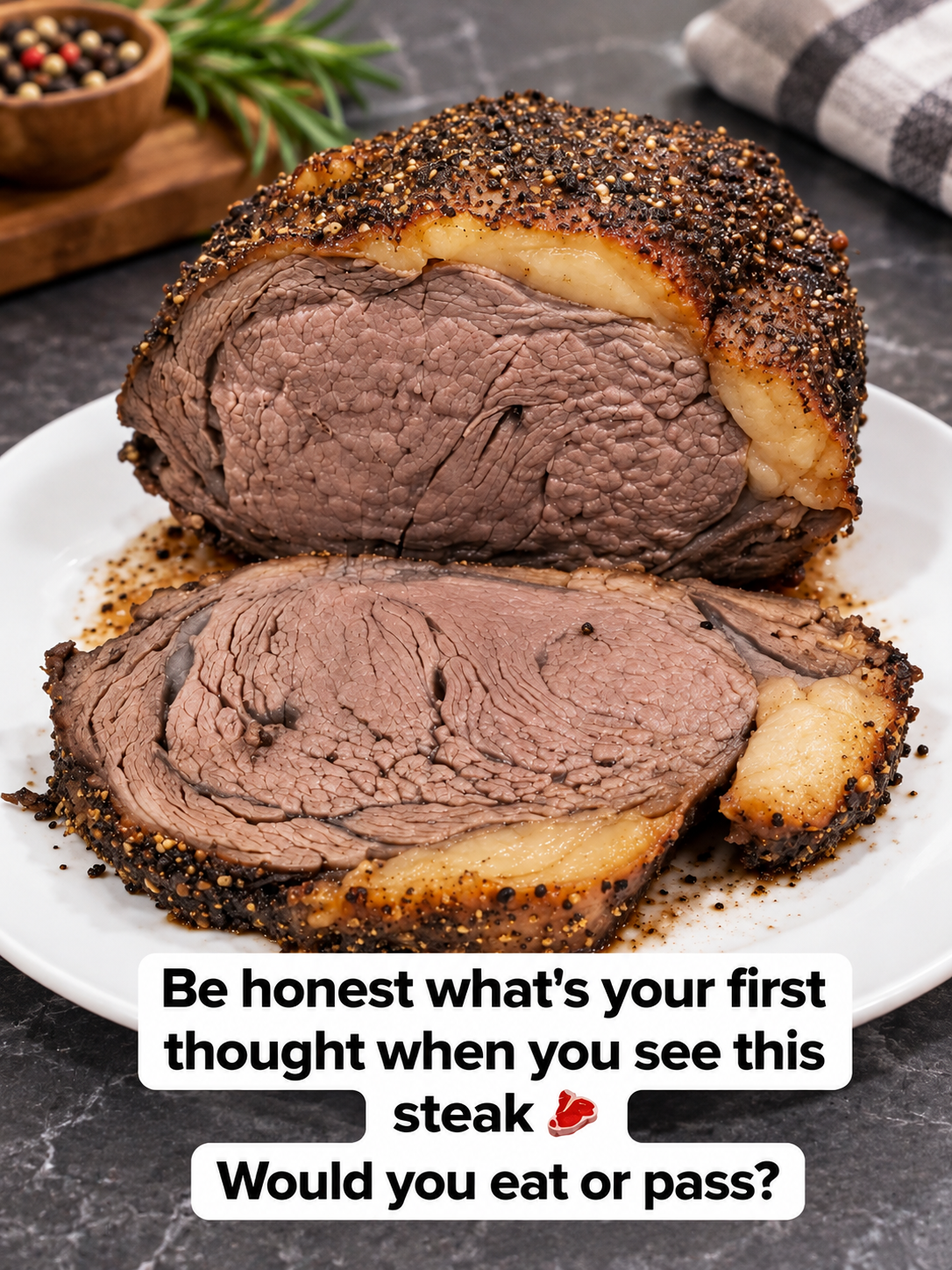
Steak: A Delicious Debate Between Taste and Preference
Steak is more than just a meal; it is a culinary experience that captivates taste buds around the world. Known for its robust flavor and tender texture, steak becomes a subject of passionate debate among food enthusiasts. The essence of this discussion often revolves around the ideal level of doneness, which varies dramatically among individuals, influenced by cultural backgrounds and personal preferences. In this article, we delve into the nuances of steak preparation, exploring the rich tapestry of flavors and cooking methods that make steak a beloved dish globally.
A Brief History of Steak
The roots of steak can be traced back to ancient civilizations when humans first began to cultivate livestock. The preparation and consumption of beef have evolved profoundly over the centuries. Initially, steak was a luxury enjoyed by the wealthy, but as agricultural practices advanced, it became more accessible. Today, steak graces tables worldwide, from lavish restaurants to backyard barbecues, and its popularity continues to soar.
Steak Cuts: Understanding the Variety
Before diving into the debate of doneness, it’s crucial to understand the various cuts of steak available. Each cut offers unique flavors and textures, making different cuts suitable for various cooking methods and personal preferences. Below are some of the most popular types of steak:
- Filet Mignon: Known for its extreme tenderness and subtle flavor, filet mignon is often considered one of the finest cuts of steak.
- Ribeye: A favorite among meat lovers, ribeye is renowned for its marbling and rich, beefy flavor.
- New York Strip: With a balance of tenderness and flavor, the New York strip is a versatile cut great for grilling.
- T-bone: Combining the best of both worlds, the T-bone offers a portion of filet mignon on one side and New York strip on the other.
- Sirloin: A budget-friendly option, sirloin steak is leaner and slightly less tender but still offers excellent flavor.
The Great Doneness Debate
One of the most contentious issues surrounding steak is how well it should be cooked. With temperatures ranging from rare to well-done, each level of doneness provides a distinctly different experience. Let’s explore each category:
Rare
Cooked to an internal temperature of 120-125°F (49-52°C), a rare steak is deeply red and cool in the center. Steak lovers who prefer it rare often argue that this level of doneness showcases the meat’s natural flavors and juiciness. The texture is soft, providing a unique culinary experience.
Medium-Rare
A favorite among many steak aficionados, medium-rare steak is cooked to an internal temperature of 130-135°F (54-57°C). It features a warm, red center and a juicy texture that highlights the rich beef flavor. This doneness strikes a balance between savory taste and tenderness, making it the preferred choice in fine dining establishments.
Medium
Medium steak is cooked to an internal temperature of 140-145°F (60-63°C). It has a pink center and a firmer texture than medium-rare. While it retains some juiciness, the flavor becomes slightly milder. This doneness appeals to those who prefer a bit more cooking without sacrificing all the meat’s natural flavors.
Medium-Well
Reaching an internal temperature of 150-155°F (66-68°C), medium-well steak has a small amount of pink in the center. While it offers a firmer texture, it tends to lose some of its juiciness and flavor. This option is often sought by those who prefer their meat cooked through but still desire a hint of moisture.
Well-Done
The most thoroughly cooked option, well-done steak, reaches an internal temperature of 160°F (71°C) or above. It has no pink at all, and its firm texture can lead to a drier taste. While some enjoy this doneness for its fully cooked assurance, others argue that it masks the steak’s true flavors.
Influencing Factors for Doneness Preference
The choice of steak doneness frequently stems from a variety of factors. Understanding these can help illuminate why people gravitate toward particular preferences.
Culinary Traditions
Cultural influences play a pivotal role in determining steak doneness. For instance, certain cuisines may emphasize rare or medium-rare preparations, while others may prefer well-done steaks. In countries like Argentina, known for its asado (barbecue), steaks are often served medium-rare to preserve their tenderness and flavor. Conversely, in some parts of Asia, well-cooked meat is more favored for health and safety reasons.
Personal Comfort Levels
Individual comfort with food safety greatly affects steak preparation preference. Many diners feel more secure choosing well-cooked steak to minimize any risks associated with foodborne illness. Personal experiences, such as past illnesses from undercooked meat, can skew preference towards more thoroughly cooked options.
Flavor and Texture Preferences
The palate of each individual varies, leading to different flavor and texture preferences. Some diners relish the juicy, rich flavor of a rare steak, while others may gravitate towards the firmer texture of well-done meat. This diversity allows for vibrant conversations around the dinner table and encourages culinary exploration.
Cooking Methods: Achieving the Perfect Steak
Knowing how to achieve the desired doneness is crucial for steak preparation. Several cooking methods are popular and can enhance the flavor of the meat:
Grilling
Grilling is perhaps the most popular method for cooking steak, bringing smoky flavors that complement the meat’s natural sweetness. The high heat creates an attractive sear, locking in moisture and enhancing the overall taste. Pay attention to cooking times to ensure your steak reaches the desired doneness.
Searing and Oven Finishing
A combination of searing and oven finishing provides precise control over steak doneness. Start by searing the steak in a hot skillet to create a flavorful crust, then transfer it to the oven to finish cooking at a lower temperature. This technique allows for even cooking throughout the steak.
Sous Vide
The sous vide method involves vacuum-sealing the steak and cooking it in a water bath at a precise temperature. This provides unmatched control over doneness and results in perfectly cooked steak every time. After the sous vide process, a quick sear on a hot grill or skillet provides the finishing touch.
Broiling
With broiling, the steak is cooked under high heat from above, creating a quick cooking experience. It is essential to monitor the steak closely to avoid overcooking. Broiling can produce a beautiful crust while maintaining a juicy interior.
Food Safety and Handling
Regardless of personal preferences, food safety cannot be overlooked. Raw and undercooked meat can pose health risks if not handled properly. Here are essential tips for safe steak preparation:
Quality and Freshness
Always choose high-quality, fresh steak from reputable sources. Pay attention to color, texture, and smell to ensure the meat is fresh. Use your senses to assess quality before cooking.
Proper Cooking Temperatures
Utilize a meat thermometer to accurately gauge the internal temperature of the steak. This is crucial for ensuring safety as well as achieving the desired doneness. Aim for the recommended temperatures based on your preferred doneness level.
Resting Period
After cooking, allow the steak to rest for at least 5-10 minutes before slicing. This resting period helps the juices redistribute throughout the meat, enhancing flavor and moisture retention.
The Final Cut: Personalizing Your Steak Experience
In the end, the beauty of steak lies in its ability to cater to individual tastes and preferences. Whether you enjoy your steak rare with a luscious red center or well-done for its firmer texture, there is no right or wrong answer—just personal choice. As culinary traditions evolve and continue to embrace diverse tastes, the discussion on steak will remain rich and flavorful, just like the dish itself. So, the next time you indulge in a delicious steak, remember the joy of personal expression in culinary preferences, and enjoy every bite!
