
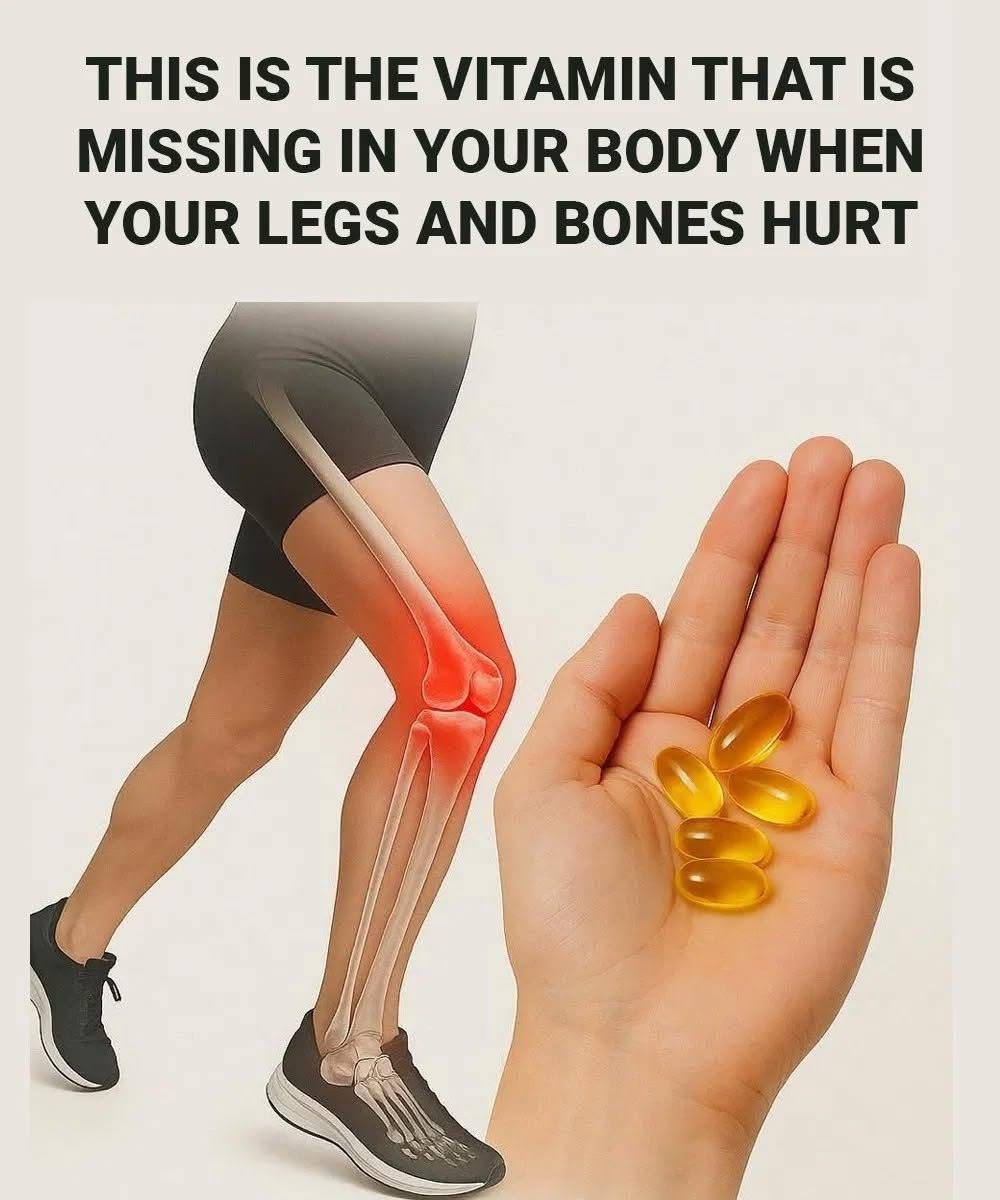
The Vitamin Deficiency Impacting Your Bones and Muscles
Leg pain and bone discomfort are common complaints that can significantly affect your quality of life. One critical factor often overlooked in the discussion of bone health is vitamin D deficiency. This essential vitamin plays an integral role in maintaining strong bones and healthy muscles. In this article, we will delve into the importance of vitamin D, its connection to bone and muscle health, the symptoms of deficiency, and how to ensure you are getting sufficient amounts.
Understanding Vitamin D and Its Role in Bone Health
Vitamin D is a fat-soluble vitamin that is crucial for various bodily functions, particularly in maintaining bone health. It facilitates the absorption of calcium and phosphorus, two vital minerals necessary for building and maintaining strong bones.
Without adequate levels of vitamin D, your body struggles to absorb these essential nutrients, leading to fragile bones and an increased risk of fractures. This deficiency can also manifest as severe muscle weakness, particularly in the legs, making it essential to understand how to recognize and address this issue.
How Vitamin D Deficiency Affects Your Body
The impacts of vitamin D deficiency can be wide-ranging, affecting not just bone density and strength, but also your overall physical health. Here are some critical effects:
- Bone Pain: Vitamin D deficiency can lead to bone pain, particularly in the legs and back. In children, a severe deficiency can result in rickets, causing bone deformities and pain.
- Muscle Weakness: Insufficient vitamin D can result in muscle weakness, leading to a greater risk of falls, particularly in older adults.
- Increased Risk of Osteoporosis: Prolonged deficiency can lead to osteoporosis, a condition characterized by brittle and weakened bones.
- Chronic Pain Syndromes: Studies suggest that vitamin D deficiency may contribute to chronic pain conditions, including fibromyalgia.
Symptoms of Vitamin D Deficiency
Recognizing the symptoms of vitamin D deficiency is essential for timely intervention. Some common signs include:
- Bone Pain: Persistent pain in the bones, particularly in the lower back and limbs.
- Muscle Weakness: Difficulty in activities that require strength, such as climbing stairs or lifting objects.
- Fatigue: Unexplained tiredness or lethargy can also signal a lack of vitamin D.
- Frequent Illness: Vitamin D plays a role in immune function, and deficiencies can lead to increased susceptibility to infections and illnesses.
- Depression: There is a connection between low vitamin D levels and mood disorders, including depression and anxiety.
Causes of Vitamin D Deficiency
Understanding the reasons behind vitamin D deficiency can aid in prevention and treatment. Some common causes include:
- Limited Sunlight Exposure: Vitamin D is often referred to as the “sunshine vitamin” because your skin produces it when exposed to sunlight. Individuals living in northern latitudes or those who spend little time outdoors are at higher risk.
- Dietary Insufficiency: Foods rich in vitamin D are limited, and those who follow strict vegan or vegetarian diets may not get enough unless fortified foods are consumed.
- Obesity: Vitamin D is stored in fat tissue, making it less available for use in obese individuals.
- Certain Medical Conditions: Conditions such as celiac disease, Crohn’s disease, and other gastrointestinal disorders can impair the absorption of vitamin D from food.
How to Improve Your Vitamin D Levels
To mitigate the risks associated with vitamin D deficiency, consider the following strategies:
1. Increase Sun Exposure
When the sun is shining, aim to spend some time outdoors without sunscreen, but be cautious not to overexpose your skin to prevent sunburn. Exposing your arms and legs for about 10 to 30 minutes several times a week can significantly boost your vitamin D production.
2. Include Vitamin D-rich Foods
Incorporating vitamin D-rich foods into your diet can also help. Consider foods such as:
- Fatty fish (salmon, mackerel, sardines)
- Cod liver oil
- Egg yolks
- Fortified foods (milk, orange juice, cereals)
3. Consider Supplements
If you struggle to meet your vitamin D needs through sunlight or diet, supplements may be necessary. Consult with a healthcare provider to determine the appropriate dosage, as individual needs can vary significantly.
Conclusion: Essential Steps Towards Healthy Bones and Muscles
Vitamin D deficiency is a common but often overlooked issue that can lead to serious bone and muscle-related ailments. By understanding the importance of this vital nutrient and recognizing the symptoms of deficiency, you can take proactive steps to enhance your vitamin D levels through exposure, diet, and supplementation. Maintaining optimal bone health is crucial not only for preventing pain but for ensuring a healthy, active lifestyle as you age.
By prioritizing your vitamin D intake and working with healthcare professionals to monitor your levels, you can safeguard against the adverse effects of deficiency and enjoy stronger bones and muscles moving forward.
