
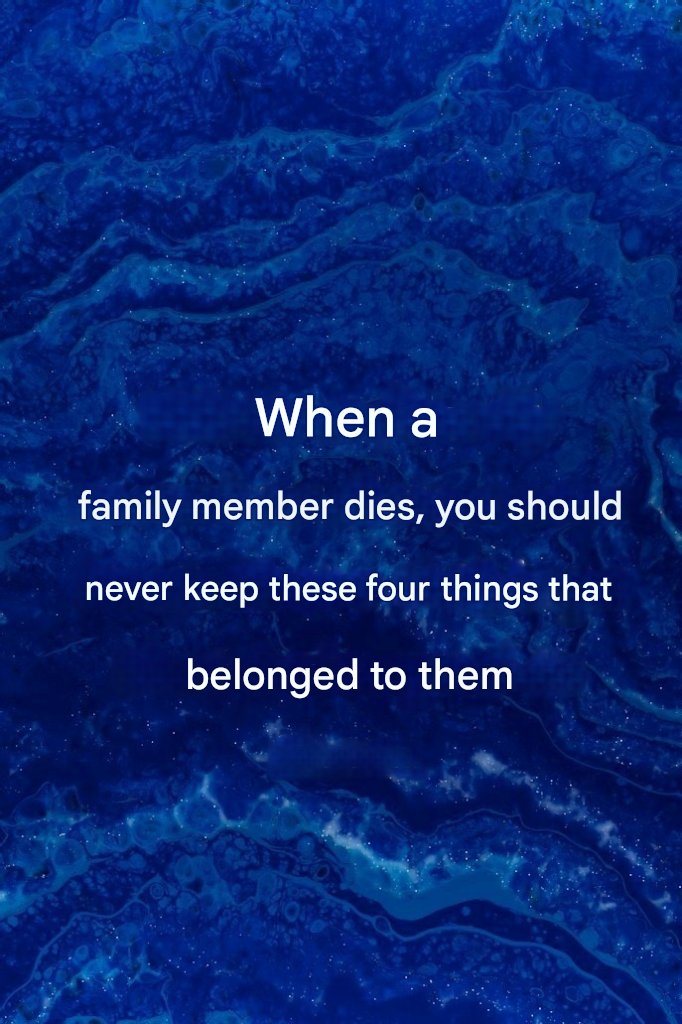
Do Not Keep These Items That Belonged to a Deceased Person: A Guide to Grief Resolution and Safety
Dealing with the personal belongings of a deceased loved one can be one of the most challenging aspects of grief. Items that hold sentimental value can often feel like they carry the weight of memories, making it difficult to even think about separating from them. However, there are certain items that experts suggest you should not keep, as they may complicate the grieving process and affect your emotional well-being. In this guide, we’ll explore the reasons behind this advice, the types of items to consider letting go of, and healthy ways to remember your loved one without retaining every physical possession.
Understanding Grief and Attachment to Belongings
Grief is a complex process that varies greatly from person to person. When a loved one passes away, it’s natural to cling to their belongings as a way of preserving their memory. However, physical objects can sometimes hinder your healing process. Emotional attachment to personal effects often stems from a desire to maintain a connection with the deceased, but it may also be a source of pain. Understanding your relationship with these items is a crucial step towards healing.
The Psychological Impact of Holding On
Keeping items that belonged to a deceased person can evoke a mix of emotions, including sadness and nostalgia. These items may serve as constant reminders of your loss, which can be overwhelming. For many, the items create an emotional barrier to moving forward. Experts warn that an excessive focus on these possessions can lead to prolonged grief responses, making it essential to assess what to keep and what might be best to let go.
Items You Should Consider Not Keeping
While each person’s journey through grief is unique, certain categories of items are commonly advised against retaining. These can serve as triggers that may prolong your sorrow rather than aid in your healing. Here are some of the items you should seriously consider discarding:
Clothing and Personal Accessories
Items like clothing, jewelry, and personal accessories were once associated with the deceased’s persona. While they hold significant sentimental value, wearing or seeing these items can evoke intense emotions. Instead of keeping these items in your possession, consider creating a memory quilt or donating them to a charity in honor of your loved one. This way, you preserve their memory while also providing comfort to others.
Negative-Associated Items
Some belongings may carry negative associations or memories of difficult times. For example, items related to hospitalization, medical treatments, or objects that remind you of painful moments should be evaluated carefully. Letting go of these will allow you to focus on celebrating your loved one’s life rather than the grief surrounding their final days.
Duplicates and Unused Items
In inherited belongings, you may find duplicates of kitchenware, furniture, or tools. Retaining these can clutter your space and your emotional state. If an item is not being used, consider donating it, selling it, or giving it to someone who will appreciate it. This provides a sense of purpose to the items and helps you stay focused on your healing journey.
Items You Don’t Relate To
Sometimes, you might find things that did not hold significant meaning to you or that you can’t relate to. Keeping such items can take up space and emotional energy unnecessarily. If it doesn’t spark joy or a fond memory, think about passing it along.
Healthy Alternatives for Remembering Loved Ones
Letting go of physical items doesn’t mean erasing memories of your loved one. Instead, consider these healthier alternatives to honor their legacy:
Create a Memory Box
Gather a few small items that truly resonate with you and fit neatly into a memory box. This could include photographs, letters, or personal mementos that evoke good memories. The key is to limit yourself to a manageable number of items, allowing you to keep the essence of your loved one without becoming overwhelmed.
Establish a Memorial Space
Design a small area in your home dedicated to honoring your loved one. This can include framed photographs, candles, or a plant. Having a dedicated space provides a focused area to channel your emotions and memories rather than having keepsakes scattered throughout your living space.
Commemorative Activities
Engage in activities that were meaningful to your loved one, such as cooking their favorite recipe, planting a tree, or volunteering for a cause they were passionate about. This allows you to connect with their memory actively while contributing positively to your community or environment.
The Role of Professional Support
If you’re finding it particularly hard to navigate the emotional complexities involved with the belongings of a deceased person, it can be beneficial to seek professional support. Therapists who specialize in grief counseling can provide tools and techniques to aid in the healing process. They can also assist you in understanding your attachment to specific items and suggest effective methods for letting go.
Support Groups and Communities
Joining a grief support group can also help. Sharing experiences with others who are working through similar emotions can offer comfort and understanding. These groups often incorporate discussions about the emotional ties we have to possessions and offer collective insights about moving forward.
Conclusion: Embracing Healing Through Letting Go
Letting go of belongings that belonged to a deceased loved one is a deeply personal and often painful journey. However, it’s important to recognize the potential emotional burden these items can carry. By understanding which items to avoid keeping and finding alternative methods to honor your loved one, you can navigate the
grief process more effectively. Remember, it’s about cherishing memories while making space for new ones. Embrace the healing process, and know that it’s okay to seek support along the way.
