
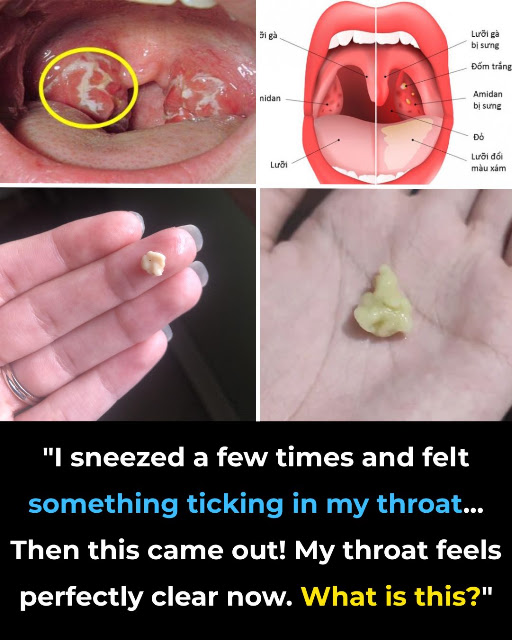
Understanding Tonsil Stones: What You Need to Know
Tonsil stones, medically known as tonsilloliths, are small, hard deposits that form in the pockets of your tonsils. While they may sound alarming, they are typically harmless. However, they can lead to discomfort and persistent bad breath, prompting concern for many individuals. In this comprehensive guide, we will explore what tonsil stones are, how they develop, their symptoms, causes, and effective management strategies.
What Are Tonsil Stones?
Tonsil stones are formations created from a mix of debris, bacteria, food particles, mucus, and dead cells trapped within the crevices of the tonsils. Over time, these substances harden into small, white or yellowish stones, which can vary in size. They are particularly common in individuals who experience chronic tonsil inflammation or possess deeper tonsil crypts that easily hold onto debris.
How Do Tonsil Stones Form?
The formation of tonsil stones typically occurs when food, bacteria, and other materials become lodged in the tonsils. As these materials accumulate, they can calcify and turn into hardened stones. Below are some common processes that lead to the development of tonsil stones:
- Debris Accumulation: Everyday activities such as eating can introduce tiny particles of food that may become trapped within the tonsils.
- Bacterial Growth: Bacteria present in the mouth and throat can multiply on the debris and contribute to the stone’s development.
- Inadequate Oral Hygiene: Poor oral hygiene practices, such as insufficient brushing, flossing, or tongue cleaning, can increase the risk of tonsil stone formation.
- Chronic Tonsillitis: Ongoing inflammation or infection of the tonsils may enhance the likelihood of stone development.
- Tonsil Crypts: Individuals with larger or deeper tonsil folds may find that debris is more easily trapped, leading to higher chances of stone formation.
Common Symptoms of Tonsil Stones
Tonsil stones can manifest a variety of symptoms, though some individuals may remain asymptomatic. Identifying these signs can help in addressing the issue promptly. Common symptoms associated with tonsil stones include:
- Bad Breath (Halitosis): One of the most noticeable symptoms, caused by sulfur compounds released by bacteria on the stones.
- Sore Throat: Tonsil stones may cause irritation or pain in the throat.
- Difficulty Swallowing: Larger stones can obstruct the throat, making swallowing uncomfortable.
- Ear Pain: Referred pain from the tonsils can sometimes lead to discomfort in the ears.
- Visible White or Yellow Deposits: Upon examination of the tonsils, you may actually see the stones.
Diagnosing Tonsil Stones
If you suspect you have tonsil stones, the best course of action is to consult with a healthcare professional. Diagnosis typically involves a physical examination of the throat where the doctor will inspect the tonsils for visible stones. Additional diagnostic tools may include:
- Throat Culture: To rule out infections caused by bacteria.
- Imaging Tests: In rare cases, imaging such as X-rays or computed tomography (CT) scans may be used to evaluate the structures of the tonsils.
Treatment and Management of Tonsil Stones
While tonsil stones may not always require medical treatment, managing symptoms and preventing their recurrence is crucial for those affected. Here are several effective strategies to deal with tonsil stones:
Home Remedies
- Salt Water Gargle: Gargling with warm salt water can help dislodge smaller stones and alleviate sore throat symptoms.
- Hydration: Drinking plenty of water can help flush out debris and bacteria.
- Oral Hygiene: Improving oral hygiene practices, including brushing your teeth and tongue regularly and using mouthwash, can reduce the risk of stone formation.
- Apple Cider Vinegar: Diluting apple cider vinegar in water and gargling may help dissolve tonsil stones due to its acidic properties.
Medical Interventions
If tonsil stones persist despite home remedies, it may be necessary to seek medical treatment. Options include:
- Healthcare Provider Removal: A doctor can manually remove larger stones using specialized tools during an office visit.
- Antibiotics: If bacterial infection is present, antibiotics may be prescribed to manage the infection.
- Tonsillectomy: In severe or recurrent cases, surgical removal of the tonsils may be recommended as a last resort.
Preventing Tonsil Stones
Preventing the occurrence of tonsil stones involves maintaining good oral hygiene and adopting healthy lifestyle habits. Here are some practical tips:
- Regular Brushing and Flossing: Brush your teeth at least twice a day and floss daily to remove food particles and bacteria.
- Stay Hydrated: Drink adequate water throughout the day to keep your throat moist and prevent debris buildup.
- Mouthwash Use: Use antibacterial mouthwash regularly to reduce bacteria in the mouth.
- Frequent Gargling: Gargle with salt water or antiseptic solutions to help keep the tonsil area clean.
When to Seek Medical Attention
While tonsil stones are generally benign, there are certain circumstances where medical attention is warranted. You should consult a healthcare professional if you experience:
- Severe or persistent throat pain.
- Difficulty swallowing that hampers your ability to eat or drink.
- Recurrence of tonsil stones despite following preventive measures.
- Signs of bacterial infection such as fever or swollen lymph nodes.
Conclusion
Tonsil stones can be an bothersome condition, but understanding their nature and implementing effective management strategies can help you tackle this issue confidently. With proper oral hygiene and attention to symptoms, you can minimize the likelihood of stone formation and maintain optimal throat health. If you continue to experience discomfort or have concerns about your tonsils, don’t hesitate to reach out to a healthcare provider for further assistance.
