
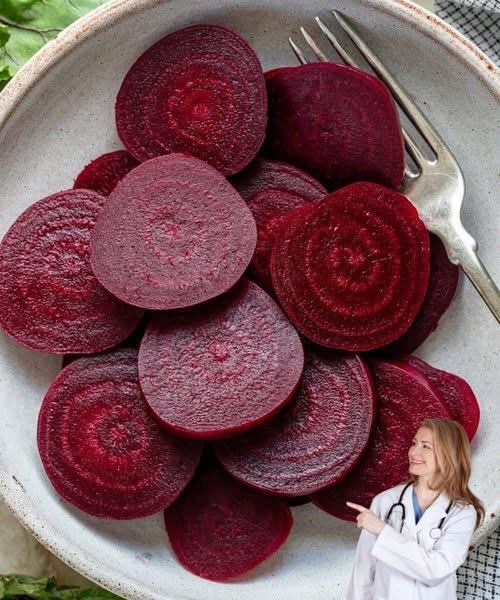
The Nutritional Benefits of Eating Beets: What You Need to Know
Beets, often hailed as a superfood, are more than just a colorful addition to your salad. They are a nutritional powerhouse packed with essential nutrients and compounds that can significantly benefit your health. This article will explore the benefits of eating beets, the science behind their health claims, and how to incorporate these vibrant vegetables into your diet.
What Makes Beets So Special?
Beets are rich in a variety of important nutrients, including antioxidants, nitrates, fiber, and folate. These components work together to promote various aspects of health, from cardiovascular support to enhanced athletic performance. Let’s dive deeper into the many health benefits of beets and the research that backs them.
1. Lowering Blood Pressure Naturally
One of the most well-known benefits of eating beets is their ability to lower blood pressure. This effect primarily results from their high dietary nitrate content, which converts to nitric oxide in the body. Nitric oxide helps to relax and widen blood vessels, thereby improving blood flow and reducing blood pressure.
According to a 2013 study published in the Hypertension journal, drinking just 250ml (8 oz) of beet juice can lower systolic blood pressure by 4–10 mmHg within 3–6 hours. This effect is especially beneficial for individuals with hypertension or prehypertension, although it should not replace medication but rather serve as a powerful complement.
2. Enhancing Athletic Performance
For athletes and fitness enthusiasts, beets can be a game-changer when it comes to enhancing endurance. The nitrates in beets are known to improve the efficiency of mitochondria, which are responsible for energy production in cells. A study published in the Journal of Applied Physiology showed that beetroot supplementation could improve exercise performance, particularly during high-intensity workouts.
Many athletes now incorporate beet juice into their pre-workout routines to boost stamina and reduce fatigue, making it an excellent natural choice for those looking to enhance their athletic endurance.
3. Supporting Brain Health
Beyond cardiovascular and athletic benefits, beets also contribute to brain health. The nitric oxide produced from dietary nitrates may enhance cerebral blood flow, which is essential for optimal brain function. Research indicates that improved blood circulation can potentially reduce the risk of cognitive decline and neurodegenerative diseases.
A study published in the Frontiers in Aging Neuroscience highlights how dietary nitrates, like those found in beets, can improve cognitive function in older adults, suggesting that regular consumption of beets might help maintain a healthy brain.
4. Promoting Digestive Health
Beets are an excellent source of dietary fiber, which is vital for maintaining a healthy digestive system. Fiber helps promote regular bowel movements, preventing constipation and promoting a healthy gut microbiome. Regular consumption of fiber-rich foods like beets has been linked to lower rates of digestive disorders and an overall healthy digestive tract.
Moreover, the fiber in beets can aid in controlling blood sugar levels, making them a beneficial choice for those managing diabetes. The low glycemic index of beets means they do not cause rapid spikes in blood sugar levels, promoting stable energy levels throughout the day.
5. Rich in Antioxidants
Beets are packed with antioxidants, including betalains, which are responsible for their vibrant color. Antioxidants help combat oxidative stress in the body, reducing inflammation and lowering the risk of chronic diseases such as heart disease and cancer. The presence of vitamin C and other nutrients in beets further enhances their antioxidant capacity.
Consuming beets regularly may contribute to improved overall health by reducing inflammation and promoting better immune function. This makes beets a valuable addition to any diet focused on maintaining wellness and longevity.
6. Benefits for Skin Health
The nutrients found in beets can also have a positive impact on skin health. The high concentration of antioxidants and vitamin C can boost collagen production, improve skin hydration, and contribute to a radiant complexion. These benefits are particularly important as we age, as maintaining skin elasticity and moisture becomes increasingly challenging.
Moreover, the anti-inflammatory properties of beets can help reduce skin conditions such as acne and eczema, making them a versatile food for enhancing skin health from the inside out.
7. Easy Ways to Incorporate Beets into Your Diet
Including beets in your diet is not only beneficial but also quite easy. Here are some popular ways to enjoy beets:
- Raw: Grate or slice beets to add to salads for a crunchy texture and vibrant color.
- Juiced: Drink fresh beet juice for a quick nutrient boost, especially before workouts.
- Roasted: Roast beets in the oven with olive oil and seasonings to enhance their natural sweetness.
- In Smoothies: Blend cooked or raw beets into smoothies for added nutrition.
- Soups: Make a hearty borscht soup, a traditional beet soup that’s both delicious and nutritious.
Final Thoughts on the Benefits of Eating Beets
Beets are a nutritional powerhouse with numerous health benefits ranging from lowering blood pressure to enhancing athletic endurance and supporting brain health. Their rich nutrient profile makes them a valuable addition to any balanced diet. Whether you consume them raw, juiced, or cooked, incorporating beets into your meals can lead to significant health improvements. Given their versatility and nutritional advantages, it is easy to see why beets deserve a prominent place in your diet.
As you explore the various ways to enjoy this vibrant root vegetable, remember that the key to maximizing health benefits is consistency. Make beets a regular part of your meals to experience their full range of positive effects on your body and mind.
