

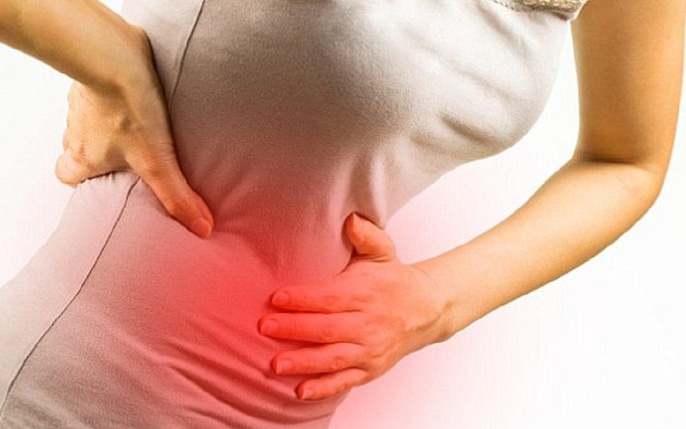
Pain on the left side of the body can mean many different things—ranging from minor muscle strain to conditions that require urgent care. The key is not just where it hurts, but how it feels, how long it lasts, and what other symptoms come with it.
Here’s a clear, structured way to understand what left-sided pain might indicate and when to take it seriously.
 Why Location Matters
The left side of your body contains several important structures:
- Heart
- Left lung
- Stomach and part of the digestive tract
- Spleen
- Left kidney
- Muscles, nerves, and joints
Because of this, pain in this area can come from multiple systems.
 1. Chest Pain on the Left Side
This is the most important category to pay attention to.
 Possible Causes:
- Muscle strain
- Acid reflux
- Anxiety
 But also:
- Heart-related conditions (e.g., angina or heart attack)
Warning signs:
- Pressure or tightness in the chest
- Pain spreading to arm, jaw, or back
- Shortness of breath
- Sweating or nausea
 Seek immediate medical help if these occur.
 2. Upper Left Pain (Chest or Rib Area)
Possible causes:
- Muscle injury
- Rib inflammation
- Lung-related issues
Clues:
- Pain when breathing deeply
- Pain when moving or coughing
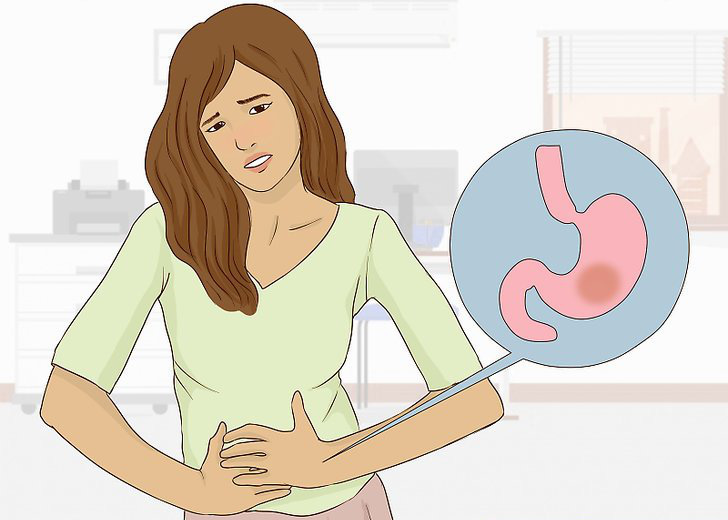
 3. Upper Left Abdominal Pain
This area includes the stomach and spleen.
Possible causes:
- Gas or bloating
- Indigestion
- Gastritis
Signs:
- Burning or cramping sensation
- Pain after eating
 4. Left Side Kidney Pain (Back Area)
Pain in the lower back on the left side may involve the kidney.
Possible causes:
- Kidney stones
- Infection
Watch for:
- Sharp, intense pain
- Pain radiating to the lower abdomen
- Changes in urination
 5. Left-Sided Muscle or Nerve Pain
One of the most common causes.
Causes:
- Poor posture
- Overuse or strain
- Nerve compression
Characteristics:
- Aching or sharp pain
- Worse with movement
- Improves with rest
6. Referred Pain
Sometimes the pain you feel isn’t coming from that exact location.
Example:
- Digestive issues causing chest discomfort
- Nerve-related pain traveling across the body
When Should You Be Concerned?
You should not ignore left-sided pain if it is:
- Sudden and severe
- Persistent or worsening
- Accompanied by:
- Shortness of breath
- Dizziness
- Fever
- Vomiting
- Unusual fatigue
What Your Body Is Trying to Tell You
Pain is not random—it’s a signal.
It may indicate:
- Overuse or strain
- Digestive imbalance
- Circulation or organ-related issues
The goal is not to panic—but to interpret the signal correctly.
 What You Can Do Initially
 Rest and Observe
See if the pain improves with time or movement changes.
Hydrate and Eat Light
If digestive-related, this may help.
Check Your Posture
Many pains are linked to sitting habits.
Avoid Self-Diagnosing Serious Conditions
If unsure, always get professional advice.
 Final Thoughts
Left-side pain can range from harmless to serious. The difference lies in patterns, intensity, and associated symptoms.
The most important thing is awareness:
- Don’t ignore persistent pain
- Don’t panic over mild, temporary discomfort
- Pay attention to what your body is consistently telling you
Because when it comes to health, the body rarely sends signals without a reason. -it’s up to you to listen.
