
The Vein of the Shrimp: A Little-Known Culinary Detail
Shrimp is a beloved delicacy enjoyed worldwide for its unique flavor and versatility in various culinary applications. However, the “vein” or digestive tract of shrimp is often a point of confusion for many home cooks and culinary enthusiasts. This article delves deeply into the importance of removing the digestive tract from shrimp, techniques for deveining shrimp, and the impact it has on taste and presentation, ensuring your dishes are not only delicious but visually appealing.
Understanding the Shrimp Vein
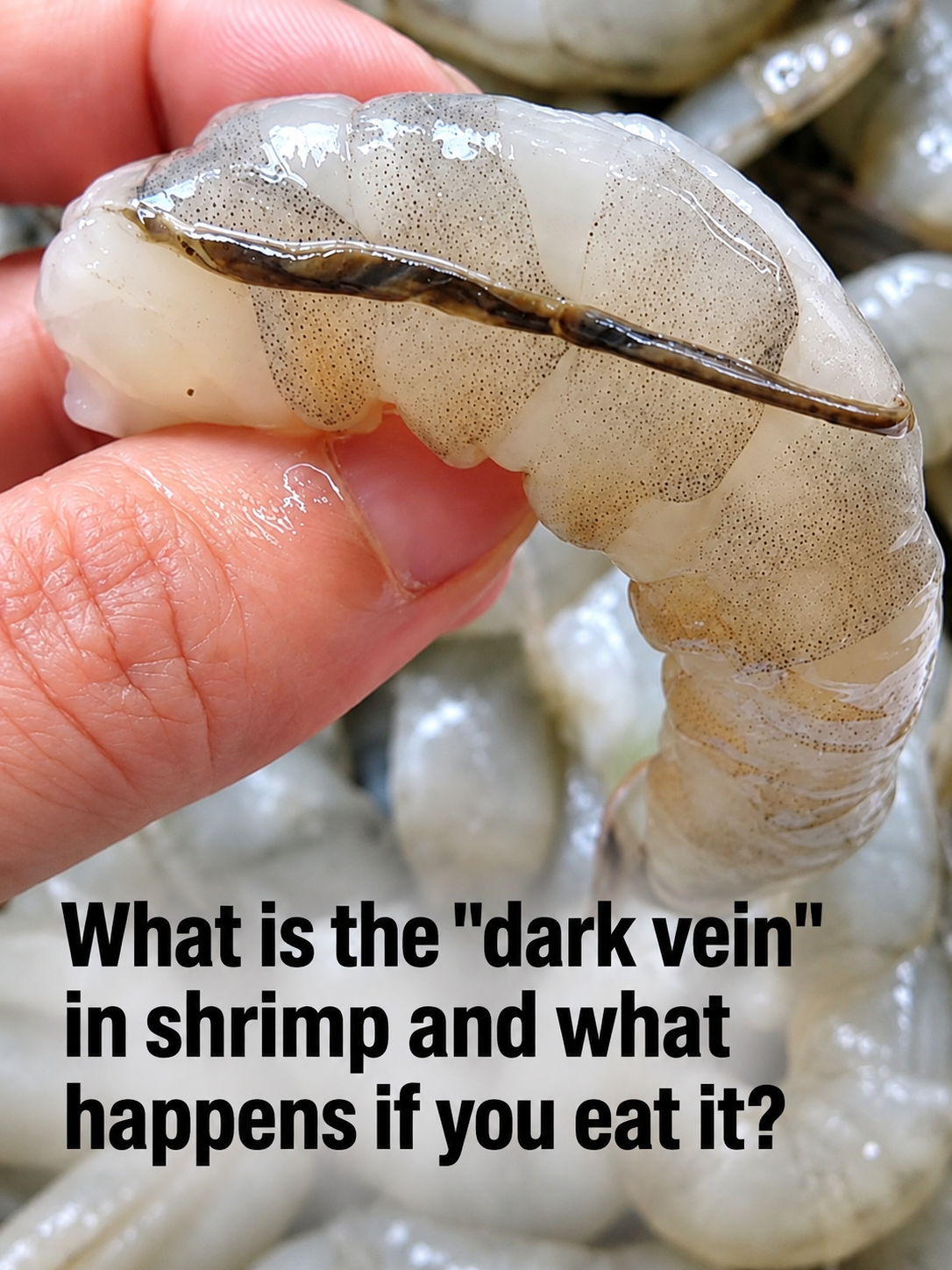
The term “vein” refers to the shrimp’s digestive tract, which can be visible along its back. This organ is responsible for processing waste and can harbor remnants of the shrimp’s last meals. While it may not pose health risks if consumed, many culinary experts suggest removing it for reasons tied to flavor and aesthetics.
Impact on Taste
Many cooks agree that the presence of the digestive tract can slightly alter the flavor profile of your dish. When left intact, some people detect a hint of bitterness or a gritty texture, especially in preparations that involve grilling or sautéing. On the other hand, removing the vein can create a milder, cleaner taste, enhancing your dish significantly. This is particularly true for larger shrimp, where the difference in flavor and texture becomes more pronounced.
Visual Appeal
There is no denying that presentation plays a crucial role in culinary arts. The visible vein on shrimp can detract from the overall appeal of the dish. By deveining shrimp, you not only enhance the taste but also improve visual aesthetics, making your meals more inviting and expertly crafted.
How to Devein a Shrimp
Deveining shrimp may sound intimidating, but it is a relatively straightforward process that anyone can master with a little practice. Here are some methods that will help you remove the shrimp vein efficiently.
Tools You Will Need
- Sharp knife or small paring knife
- Cutting board
- Toothpick or seafood deveiner (optional)
Step-by-Step Guide to Deveining Shrimp
Follow these easy steps to devein shrimp effectively:
- Start with Frozen or Fresh Shrimp: If using frozen shrimp, allow them to thaw properly before starting the deveining process.
- Make an Incision: Place the shrimp on a cutting board, and using your sharp knife, make a shallow cut along the back of the shrimp, from head to tail. Be cautious to only cut through the shell and not deeply into the flesh.
- Gently Remove the Vein: With the tip of your knife or a toothpick, carefully lift out the vein running along its back. If the shrimp is cooked, handle it gently, as the flesh will be firmer.
- Rinse the Shrimp: After deveining, rinse the shrimp under cold water to remove any residue or debris.
For beginners, it is usually advisable to devein the shrimp before cooking, as it allows for easier handling and less risk of damaging the delicate flesh.
When Is Deveining Necessary?
While removing the vein can enhance the culinary experience, it is not always necessary. The decision largely depends on the size of the shrimp and how you plan to use them in your dishes.
Small Shrimp
For smaller shrimp, the vein is often barely detectable and can be left intact, especially when included in mixed dishes such as salads, pastas, or stews. In these instances, the shrimp’s flavor usually carries through well enough without deveining.
Large Shrimp
In contrast, larger shrimp present a more pronounced vein. When cooking large shrimp, removing the vein is highly recommended for both aesthetic reasons and to improve the overall flavor profile. Many chefs opt to purchase shrimp that is already peeled and deveined to streamline the cooking process.
Cooking Shrimp With and Without the Vein
The method of cooking shrimp can influence whether you choose to devein them or not. Here are some popular cooking techniques and their relationship with shrimp deveining.
Grilling
Grilling shrimp is a favorite method among culinary enthusiasts. The high heat and quick cook time can easily amplify any off-putting flavors from the vein. Therefore, deveining shrimp before grilling is recommended to achieve a more pleasant taste.
Sautéing
When sautéing shrimp, particularly in flavorful sauces, the taste shifts significantly without the presence of the vein. Removing it can lead to a more harmonious blend of tastes, maximizing the shrimp’s natural sweetness.
Boiling or Steaming
For boiling or steaming shrimp in large quantities, the vein may be less of a concern. That said, deveining shrimp can still enhance the overall eating experience, especially when served with minimal seasoning to allow the seafood’s natural flavors to shine through.
Conclusion: The Importance of De-veining Shrimp
The decision to remove the “vein” from shrimp can make a notable difference in both flavor and appearance, particularly when preparing larger shrimp or dishes that showcase their qualities. By understanding how to devein shrimp properly and the implications it has on your culinary creations, you can take your dishes to the next level. Whether you’re a seasoned chef or a kitchen novice, mastering this simple task can enhance your cooking and impress your guests with delectable, beautifully presented shrimp dishes.
