
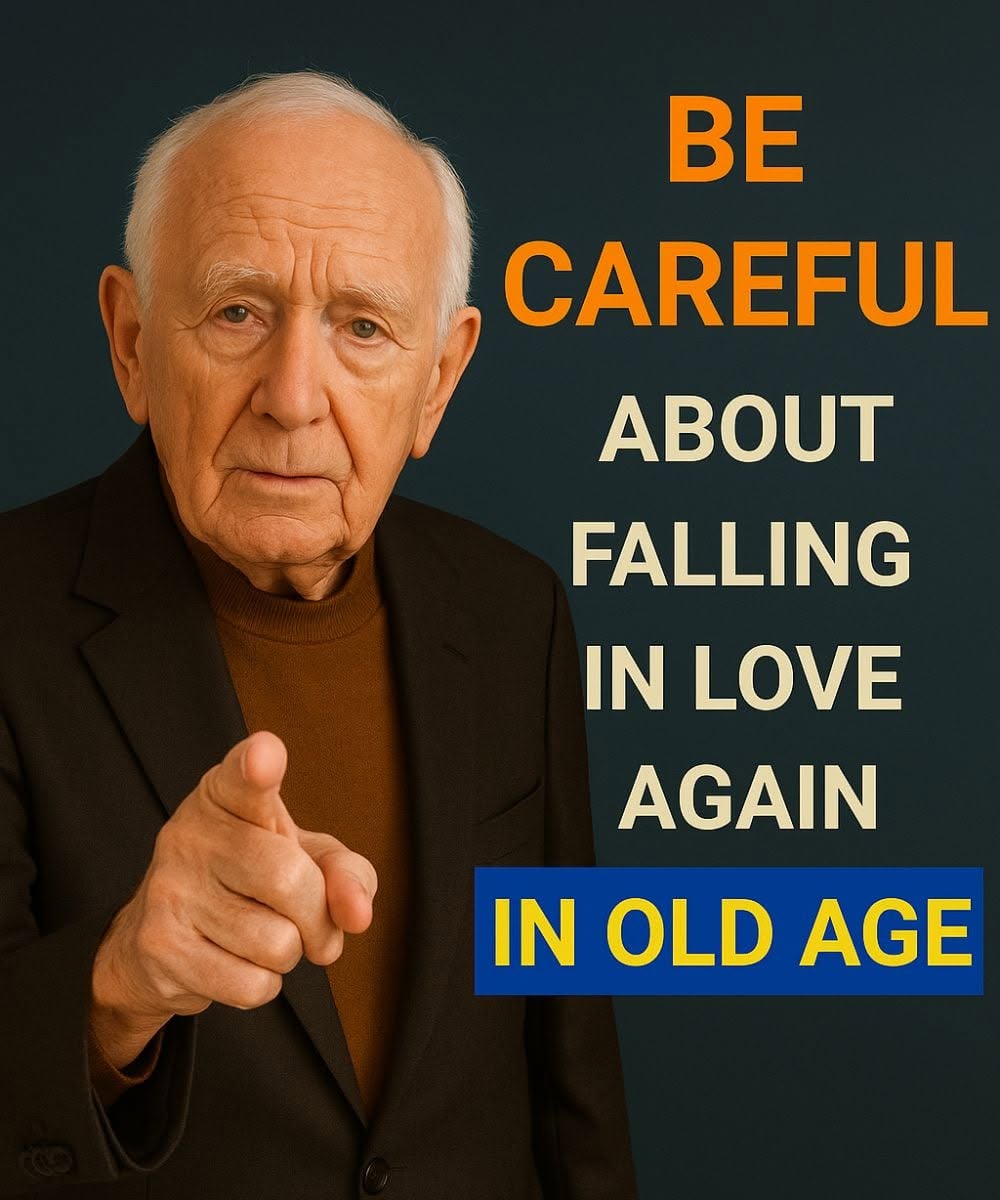
The Dangers of Falling in Love After 60: What You Need to Know
Falling in love at any age can bring about a whirlwind of emotions, but when it happens after 60, the experience often comes with its own unique set of challenges and rewards. For many older adults, finding love later in life can feel exhilarating, yet it can also evoke feelings of anxiety and uncertainty. In this article, we will delve into the dangers of falling in love after 60, shedding light on the complex emotions involved and providing guidance for navigating this new chapter of life.
Understanding the Emotional Landscape of Later Love
The Excitement of New Romance
At 60 and beyond, many individuals have spent decades cultivating their independence and finding fulfillment in their own company. The prospect of falling in love can reignite feelings of youthfulness and excitement. However, this newfound romance can also shake up long-established routines and emotional equilibriums.
Dealing with Vulnerability
As people age, they often develop a stronger sense of self. They learn what they want and need from relationships. However, opening oneself up to a new partner can feel daunting. Many older adults may fear losing their hard-earned independence or experiencing heartbreak again. This vulnerability can lead to a mix of anxiety and exhilaration.
Potential Pitfalls of Late-In-Life Romance
1. Fear of Losing Independence
One significant concern for those falling in love after 60 is the fear of losing independence. After years of living life on their own terms, many individuals are hesitant to compromise in their newfound relationships. It’s essential to recognize that it’s possible to maintain personal autonomy while also nurturing a loving partnership. Setting clear boundaries and openly communicating needs can help mitigate this fear.
2. Health Considerations
Older adults often face various health challenges, which can complicate new relationships. Whether dealing with chronic conditions or navigating the normal aging process, it’s crucial to be upfront about health concerns with a potential partner. Transparency can build trust and strengthen the bond, allowing both individuals to support one another.
3. Social Pressures and Stigma
There can be societal expectations surrounding love and romance at an older age. Many may feel judged or scrutinized for seeking companionship later in life. It’s important to prioritize personal happiness over societal norms and to surround oneself with supportive friends and family who encourage fulfilling relationships, regardless of age.
Positive Aspects of Finding Love After 60
1. Emotional Maturity
One of the greatest benefits of falling in love after 60 is the presence of emotional maturity. Many older adults have gained insights through their life experiences, making them more equipped to handle the complexities of relationships. This maturity fosters deeper connections, better communication, and a profound appreciation for companionship.
2. Freedom from the Past
After decades of personal growth and life experiences, many individuals find themselves unencumbered by the baggage of earlier relationships. This newfound freedom can lead to a more authentic connection, allowing individuals to approach love without the shadows of past heartbreaks affecting their current relationships.
3. Shared Interests and Values
Individuals over 60 often have well-established interests, hobbies, and values. Finding a partner with similar interests can lead to a richer romantic experience. Engaging in shared activities can cultivate connection and foster deeper dialogues, providing a strong foundation for a lasting bond.
Navigating Love After 60
1. Embrace Openness and Honesty
Open communication is essential in any relationship, but it becomes even more critical in later-life romances. Be honest about your feelings, desires, and fears. This transparency can help build a robust and supportive relationship where both partners feel valued and heard.
2. Take Things Slow
Pacing is crucial when embarking on a new relationship later in life. By taking the time to get to know your partner and establish a solid emotional connection, you can navigate the complexities of late-in-life love with grace. Rushing the relationship may lead to misunderstandings or feelings of being overwhelmed.
3. Seek Support
Don’t hesitate to talk to friends, family, or even professionals about your feelings and experiences. They can offer perspective, guidance, and support, helping you make informed decisions about your love life.
4. Be Prepared for Change
Every relationship brings its own set of challenges and changes, particularly later in life. Be willing to adapt and grow together as you navigate your relationship. Embrace the idea that love, especially at this stage, can alter your way of thinking and feeling.
Love Is Still Possible
While there are inherent dangers of falling in love after 60, it is essential to remember that love can bring tremendous joy and fulfillment at any age. By understanding the emotional landscape, acknowledging potential pitfalls, and embracing the advantages of late-life love, individuals can create meaningful connections that enrich their later years. Love after 60 may come with its challenges, but the rewards of companionship, emotional support, and shared life experiences can be profoundly life-affirming.
Embrace this new chapter with optimism and open arms, knowing that love can flourish at any age, bringing vitality and joy to your life.
