
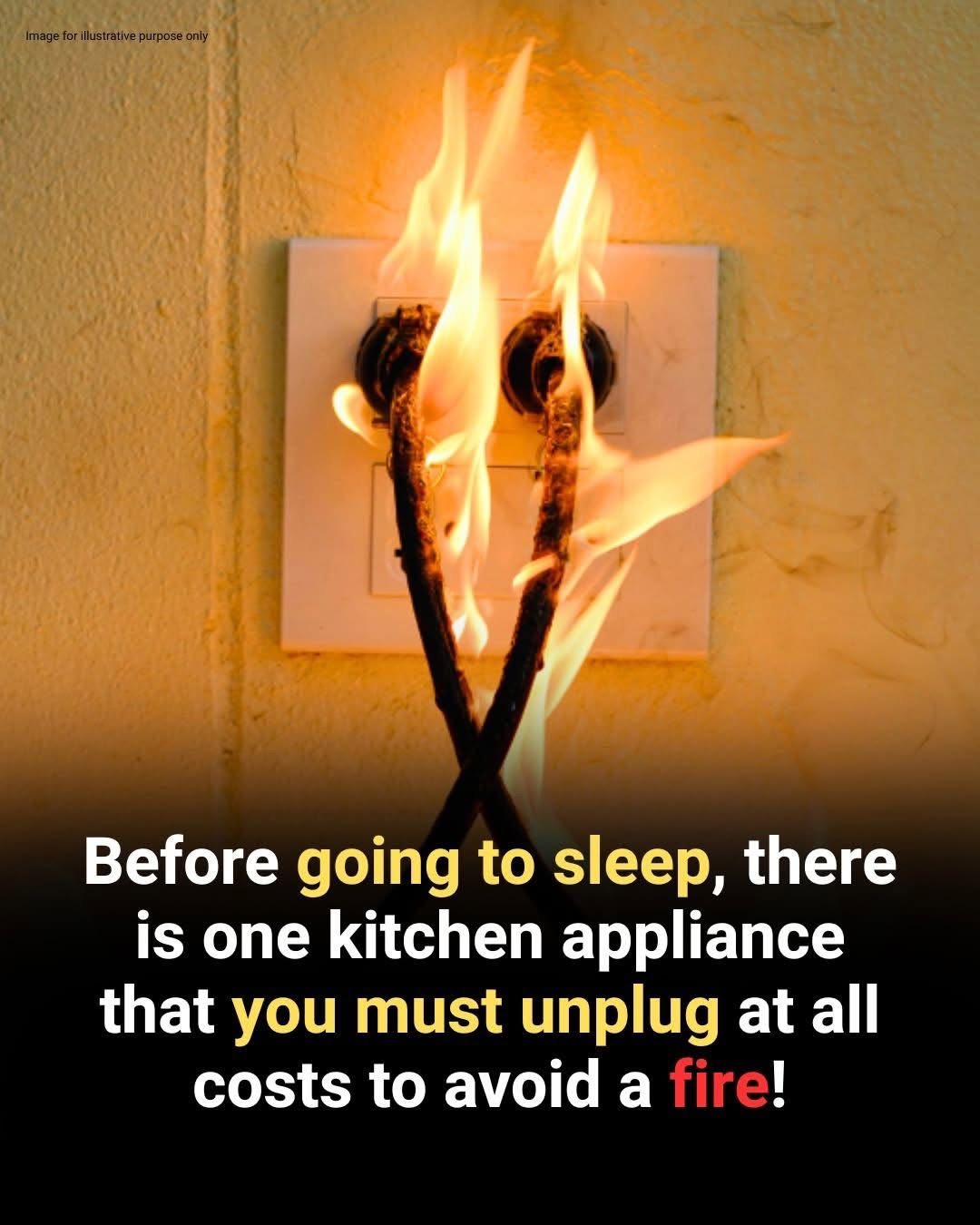
Did you know some of the appliances in your home continue to use electricity even when they’re turned off?
It’s called phantom energy or standby power, and it could be quietly increasing your electricity bill every single month. Even worse, in some cases, plugged-in devices can pose unnecessary safety risks.
The good news? A simple habit — unplugging certain appliances when you’re done using them — can help protect both your home and your wallet.
Let’s take a closer look at five common appliances you should consider unplugging regularly.
Small Kitchen Appliances
Toasters, coffee makers, blenders, air fryers, and microwaves are kitchen essentials. But many of them continue drawing power even when they’re not actively in use.
Appliances with digital clocks, LED displays, or touch panels consume standby electricity 24/7. While the amount per device may seem small, it adds up over time.
Beyond energy waste, unplugging reduces fire risk caused by:
- Electrical surges
- Faulty internal wiring
- Overheating components
If you don’t use them daily, unplugging is a smart and simple safety move.Here’s something surprising: chargers can draw power even when they’re not connected to a device.
Leaving chargers plugged into outlets:
Wastes small amounts of electricity
Shortens charger lifespan
Creates minor heat buildup
While modern chargers are safer than older models, unplugging them when not in use is still a good energy-saving habit.
Bonus tip: Use a power strip so you can switch off multiple chargers at once.
Space Heaters and Hair Styling Tools
Portable heaters, hair dryers, curling irons, and straighteners should always be unplugged after use.
These appliances generate high heat and draw significant power. Even when turned off, internal components may remain warm for some time.
Unplugging helps:
- Prevent accidental activation
- Reduce fire risk
- Extend appliance life
Many home safety experts emphasize unplugging heating devices immediately after use — it’s one of the easiest ways to reduce preventable household accidents.Modern TVs, gaming consoles, and streaming devices often stay in standby mode instead of fully powering down.
Standby mode allows quick startup — but it still consumes electricity continuously.
Gaming consoles and cable boxes are among the biggest phantom energy users in many homes.
To reduce waste:
- Turn off power strips overnight
- Unplug rarely used devices
- Enable energy-saving settings
Over a year, this can make a noticeable difference in energy consumption.
Desktop Computers and Printers
If you work from home, your computer setup may be drawing more power than you think.
Desktop computers, monitors, and printers often stay plugged in around the clock. Even in sleep mode, they use electricity.
Unplugging or shutting off the power strip when you’re done working can: Lower energy bills
Protect against power surges
Extend device lifespan
It’s especially helpful during vacations or extended trips away from home.
Why This Matters More Than You Think
According to energy experts, standby power can account for 5–10% of residential electricity use in some households.
That means you could be paying for power you’re not actively using.
Beyond cost savings, unplugging reduces:
- Electrical wear and tear
- Risk during storms or surges
- Unnecessary heat production
Small daily habits can lead to meaningful long-term savings.While unplugging many devices is beneficial, some appliances should remain plugged in, such as:
- Refrigerators
- Freezers
- Medical equipment
- Security systems
Always prioritize safety and practicality.
Smart Alternatives
If unplugging everything feels inconvenient, consider:
Smart power strips
Timers
Smart plugs with auto shut-off
Energy-efficient appliances
These tools help manage energy use without disrupting your routine.
The Bottom Line
Protecting your home doesn’t require major renovations or expensive upgrades.
Sometimes, it’s as simple as pulling a plug.
By unplugging small appliances, chargers, heating tools, entertainment systems, and office equipment when not in use, you can:
Reduce energy bills
Lower electricity waste
Decrease fire risks
Extend appliance life
It’s a small habit — but one that protects both your home and your wallet
