
Understanding Electrical Outlet Orientation: Why Are Some Outlets Installed Upside Down?
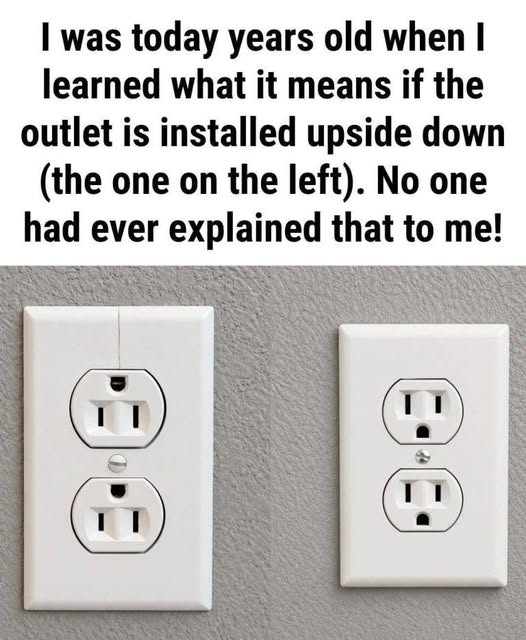
Many homeowners and renters may have noticed that some electrical outlets are installed with the grounding hole at the top instead of the bottom. This observation often leads to confusion, causing some to believe that the outlet has been installed incorrectly. However, the orientation of electrical outlets is not always a mistake but rather a thoughtful design choice made for various safety reasons. In this article, we will explore the rationale behind the upside-down installation of electrical outlets, delve into the significance of grounding, and discuss best practices for electrical outlet safety in your home.
The Basics of Electrical Outlet Orientation
Before we dive into the details of outlet installation orientations, it’s essential to understand the basics of electrical outlets. An electrical outlet, also known as a receptacle, serves as a point where electrical devices can be connected to the power supply. Each outlet typically has two vertical slots and a round grounding hole for safety. The grounding feature is crucial for preventing electrical shocks and ensuring proper energy discharge during a fault or malfunction.
Standard Outlet Orientation
In most cases, electrical outlets are installed with the grounding hole at the bottom. This orientation is considered the norm in many residential applications. The reasoning behind this typical arrangement includes:
- Safety: With the grounding hole at the bottom, if a plug accidentally falls out of an outlet, the live (hot) slot will typically be the first point of contact, reducing the risk of electric shock.
- Ease of Use: Most appliances and devices are designed to plug in with the grounding prong facing downward, aligning with the conventional outlet orientation.
Why Some Outlets Are Installed Upside Down
Despite the standard orientation, you might encounter outlets installed with the grounding hole at the top. Although it may appear to be an error, there are several reasons for this practice:
1. Safety Considerations in Specific Environments
In some cases, outlets are installed upside down in environments where safety is of utmost concern:
- Children’s Areas: In homes or facilities where children are present, such as daycare centers, flipping the outlet helps ensure that the grounding prong is on top, making it less accessible for little fingers to poke into live slots.
- Wet Areas: In areas like kitchens, bathrooms, or laundry rooms where water exposure is high, upside-down outlets may be preferred to protect against accidental shocks, especially with water and electricity being a dangerous combination.
2. Professionals’ Preferences
Electricians may choose to install outlets upside down based on personal or regional preferences or electrical codes that dictate safety practices specific to certain settings. Some electricians may feel that this orientation provides an additional margin of safety.
3. Aesthetic or Functional Reasons
Sometimes, the orientation has less to do with safety and more to do with aesthetic or practical concerns. For example:
- Furniture Placement: In cases where furniture may block access to outlets, an upside-down installation can facilitate easier plug insertion and removal.
- Specific Appliance Needs: Certain appliances with unique plug designs may require an outlet to be positioned upside down for optimal functionality.
Recognizing Intentional Installations vs. Errors
As a homeowner, you may want to inspect the electrical outlets in your living space. Understanding the difference between intentional upside-down installations and faulty installations is vital for ensuring your home’s electrical safety:
Signs of Proper Installation
To determine whether an upside-down outlet is intentional, consider the following:
- Local Electrical Codes: Familiarize yourself with your local electrical codes; many municipalities have specific guidelines for outlet installations based on safety standards that may justify the orientation.
- Consistent Flipping: If multiple outlets in a room or area are upside down, it is likely that this was a planned choice for safety or aesthetic reasons.
Outlets Installed Incorrectly
If an outlet appears improperly oriented or has signs of damage, such as charred areas, loose fittings, or damage to the surrounding wall, it is important to contact a licensed electrician. Issues indicating incorrect installations include:
- Nonsymmetrical Alignment: Outlets should sit flush against the wall; any tilting or misalignment may indicate a problem with installation.
- Inconsistent Safety Features: If the outlet does not have the grounding hole at the top while other outlets do, this inconsistency could be a sign of an error.
Best Practices for Electrical Outlet Safety
Now that we’ve covered outlet orientations, let’s focus on best practices for maintaining electrical safety around your home:
Regular Inspections
Conduct regular inspections of your home’s electrical outlets to ensure they are functioning properly. Look for signs of:
- Visible Damage: Check for cracks, discoloration, or burn marks.
- Loose Connections: Ensure that plugs fit snugly into outlets—loose connections can cause sparking or arcing.
Use Childproof Outlets
If you have young children, consider installing tamper-resistant outlets. These safety features make it difficult for children to insert objects into the slots.
Consult Professionals for Repairs
If you notice any problems with your outlets, or if you are unsure about their orientation, it’s best to consult a licensed electrician. Professional guidance can help prevent electrical hazards and ensure compliance with local safety codes.
Conclusion
In conclusion, the orientation of electrical outlets serves various purposes, primarily revolving around safety and convenience. While upside-down outlets may initially seem like a problem, they often reflect deliberate choices made by knowledgeable electricians aimed at enhancing safety in homes. By understanding the rationale behind outlet orientations and following best electrical practices, you can create a safer environment in your living space. Remember, if you ever encounter electrical issues or uncertainties, always consult a professional to safeguard your home from potential hazards.
