
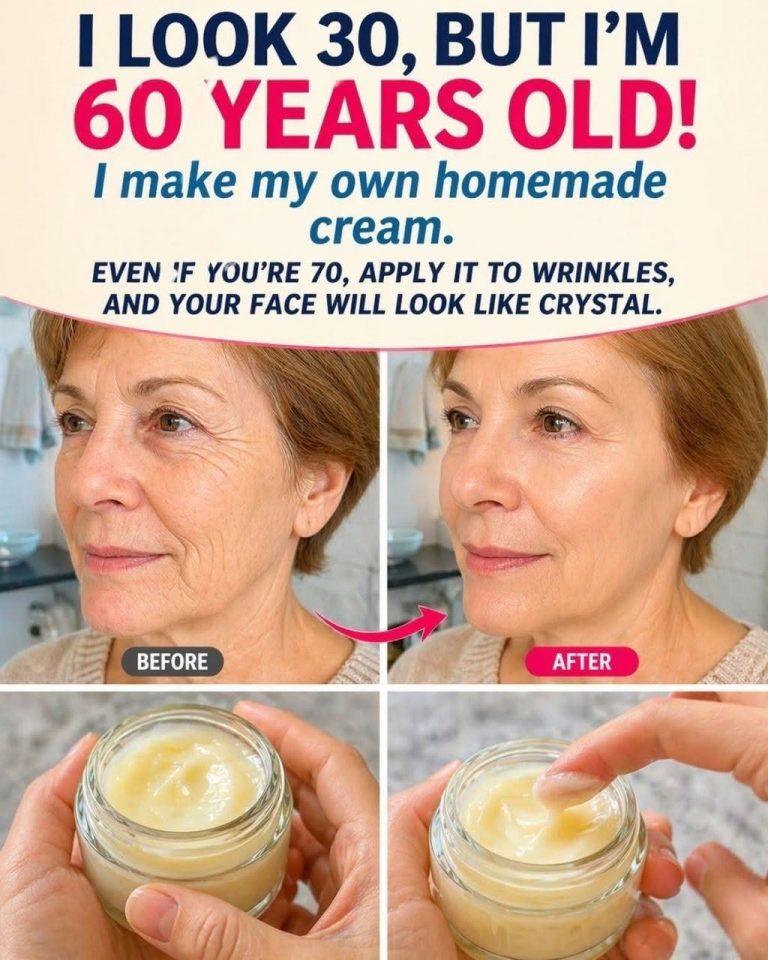
Homemade skincare recipes often promise dramatic results, claiming to erase wrinkles or fade dark spots overnight using simple kitchen ingredients. Baking soda is one of the most frequently suggested ingredients because it’s inexpensive and readily available.
While baking soda can provide mild exfoliation, it’s important to understand both its potential benefits and its limitations. Used improperly, it may irritate the skin or disrupt its natural protective barrier.
If you’re considering adding baking soda to your skincare routine, here’s what current evidence suggests and how to use it more safely.
Can Baking Soda Reduce Wrinkles?
Baking soda cannot remove wrinkles or reverse the natural aging process.
However, because it acts as a mild physical exfoliant, it may temporarily make the skin appear smoother by removing dead surface cells. This can create the impression of softer, brighter skin, but it does not stimulate collagen production or permanently reduce fine lines.
Can It Help with Dark Spots?
Regular exfoliation may gradually improve the appearance of dull skin by encouraging natural skin cell turnover.
However, baking soda itself has not been proven to fade age spots, sun spots, or hyperpigmentation. Consistent sun protection and ingredients such as vitamin C, niacinamide, retinoids, or azelaic acid have much stronger scientific support for improving uneven skin tone.
A Gentle DIY Moisturizing Scrub
If your skin tolerates gentle exfoliation, you may occasionally use a simple mixture such as:
- 2 teaspoons baking soda
- 1 teaspoon honey
- 1 teaspoon coconut oil or another gentle carrier oil
Mix until a smooth paste forms.
Apply gently to clean skin using light circular motions for no more than 30–60 seconds before rinsing thoroughly with lukewarm water.
Avoid leaving baking soda on the skin for extended periods, as prolonged exposure may increase irritation.
Before trying any DIY skincare treatment, it’s important to understand the potential risks and how to protect your skin afterward.
Important Safety Tips
Baking soda has an alkaline pH, while healthy skin is naturally slightly acidic. Frequent use may disturb the skin’s protective barrier, increasing dryness and sensitivity.
For safer use:
- Always perform a patch test before applying to your face.
- Use no more than once every one to two weeks if your skin tolerates it.
- Do not apply to broken, irritated, sunburned, or inflamed skin.
- Moisturize immediately after rinsing.
- Apply sunscreen daily, especially after any type of exfoliation.
Daily Habits That Have Stronger Scientific Support
If your goal is healthier-looking skin, these habits are supported by considerably more evidence than baking soda alone:
- Use a broad-spectrum sunscreen every day.
- Moisturize consistently to support the skin barrier.
- Eat a balanced diet rich in fruits and vegetables.
- Stay hydrated.
- Avoid smoking.
- Get adequate sleep.
- Consider skincare products containing retinoids, vitamin C, niacinamide, or hyaluronic acid if appropriate for your skin.
Understanding when home care is enough—and when professional advice may be helpful—can make a significant difference in your long-term skin health.
When to See a Dermatologist
If wrinkles, dark spots, or other skin concerns become more noticeable or bothersome, a dermatologist can recommend treatments tailored to your skin type.
Professional options may include:
- Prescription topical creams.
- Chemical peels.
- Laser treatments.
- Microneedling.
- Other cosmetic procedures based on individual needs.
Final Thoughts
Baking soda may provide gentle exfoliation for some people when used occasionally and carefully, but it should not be viewed as a treatment for wrinkles or dark spots. Claims that it produces results comparable to cosmetic procedures are not supported by scientific evidence.
Healthy, radiant skin is usually the result of consistent daily care, sun protection, balanced nutrition, and evidence-based skincare products rather than any single homemade remedy.
Medical Disclaimer: This article is intended for educational purposes only and should not replace professional medical advice. If you have persistent skin concerns, sensitive skin, eczema, rosacea, or changing skin lesions, consult a qualified dermatologist before trying new skincare treatments.
