
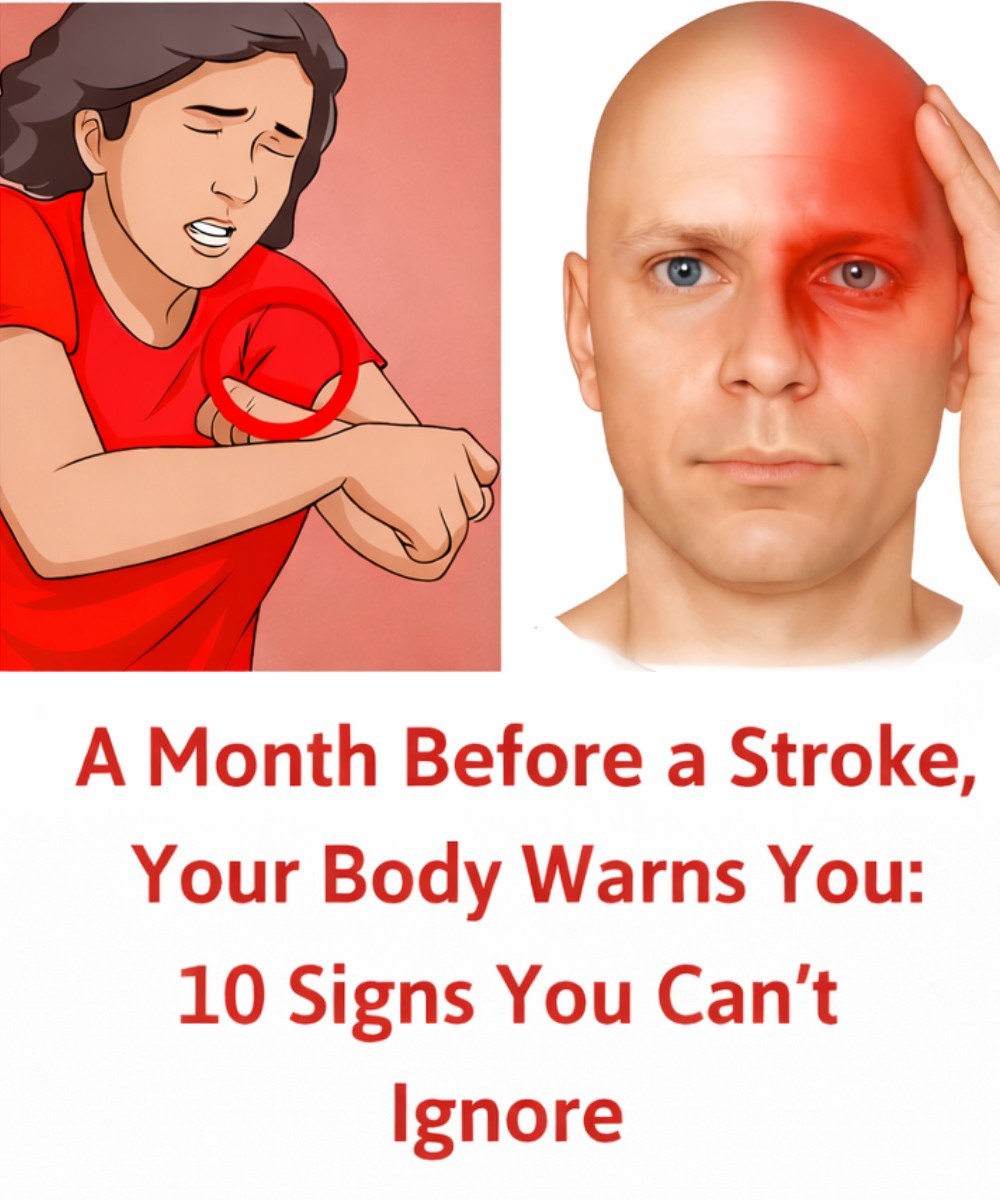
Understanding the Early Warning Signs of a Stroke
A stroke can strike unexpectedly, but often, the body sends out signals before the incident occurs. Recognizing these signs is crucial for timely medical intervention and can significantly reduce the risk of severe damage. In this comprehensive guide, we will explore the 10 warning signs of a stroke that may manifest as early as a month prior to the event, ensuring that you know what to look out for.
1. Sudden Changes in Vision
One of the most alarming warning signs is experiencing sudden changes in vision. This can include symptoms such as blurred vision, double vision, or an abrupt loss of vision in one or both eyes. Some individuals report a sensation akin to a curtain falling across their field of vision. These episodes may appear momentarily but should not be dismissed as mere fatigue. They signify potential reduced blood flow to critical areas of the brain or eyes, which may precede a full-blown stroke. If you experience any of these symptoms, it is vital to seek medical attention immediately.
2. Frequent Headaches
While headaches are common and can arise from various causes, frequent headaches that are unusually severe or different from your typical experience can be a red flag. If you notice an increase in the frequency or severity of your headaches, especially if they are accompanied by other warning signs like nausea, vision changes, or confusion, this may be indicative of looming health issues including a stroke. Consulting with a healthcare professional can help determine the underlying cause.
3. Numbness or Weakness in the Face, Arms, or Legs
A sudden onset of numbness or weakness in one side of the body can be a critical indicator of an impending stroke. This might manifest as an inability to lift the arm or a feeling of heaviness on one side of the face. The classic sign involves the facial drooping, where one side of the face appears lower than the other. If you encounter these symptoms, it’s crucial to act swiftly and seek emergency care.
4. Difficulty Speaking or Understanding Speech
Another significant warning sign of a possible stroke is experiencing difficulty speaking or understanding spoken language. This can present as slurred speech, confusion, or an inability to find the right words. Such symptoms occur due to impaired brain function as a result of reduced blood flow. If you or someone you know struggles with communication suddenly, it could be a precursor to a stroke, necessitating immediate medical evaluation.
5. Sudden Dizziness or Loss of Balance
Uneven coordination or sudden dizziness can serve as critical warning signs of a stroke. Some individuals may feel weak, dizzy, or experience problems with balance and coordination, which could lead to falls. If these symptoms develop suddenly and are coupled with the other signs mentioned, they represent a clear cause for concern that should not be ignored.
6. Feeling Confused or Unable to Understand Simple Requests
A swift change in mental function, such as confusion or an inability to comprehend simple requests, can signal an impending stroke. This may happen alongside difficulty with memory or basic tasks, highlighting potential issues within the brain that require urgent assessment. Stroke-related confusion can manifest as disorientation or forgetting where one is or why they are there.
7. Changes in Gait or Walking Patterns
Observe any changes in gait or general walking patterns that arise suddenly. A feeling that you are unsteady, combined with difficulty walking straight, can denote neurological changes indicating a potential stroke. If you notice any companions experiencing similar changes, it’s essential to encourage them to seek medical advice.
8. Fatigue or Lack of Energy
Unexplained fatigue or a sudden lack of energy might be a warning sign of impending health issues, including stroke. If a person finds themselves feeling unusually tired without a clear cause, particularly when accompanied by other symptoms like weakness, it is advisable to consult a healthcare provider. Chronic fatigue can be a warning sign that should be evaluated in the context of other symptoms.
9. Severe Nausea or Vomiting
Severe nausea or vomiting can sometimes precede a stroke. Although it may not be a definitive sign, if experienced in conjunction with any of the aforementioned symptoms, it warrants immediate medical attention. The mechanics of the body can be significantly affected by a stroke, and these gastrointestinal symptoms may indicate broader systemic issues.
10. Noticeable Changes in Mental Status
Lastly, any noticeable changes in mental status, such as heightened anxiety, increased confusion, or altered emotional responses, are also significant warning signs. These changes might be difficult to articulate, but they can signify underlying cerebral changes that necessitate medical intervention. Monitoring one’s mental health and being aware of atypical behaviors can finally guide timely action.
Conclusion: Taking Action on Stroke Warning Signs
Understanding and recognizing the top ten warning signs of a stroke can be life-saving. If you or someone you care about is experiencing any of these symptoms, it is critical to act quickly and seek emergency medical help. Remember the acronym FAST to help identify a stroke: Face drooping, Arm weakness, Speech difficulties, and Time to call emergency services. The sooner you act, the better the chances for recovery and minimizing lasting effects. Stay informed, stay alert, and prioritize your health and the health of those you love.
