
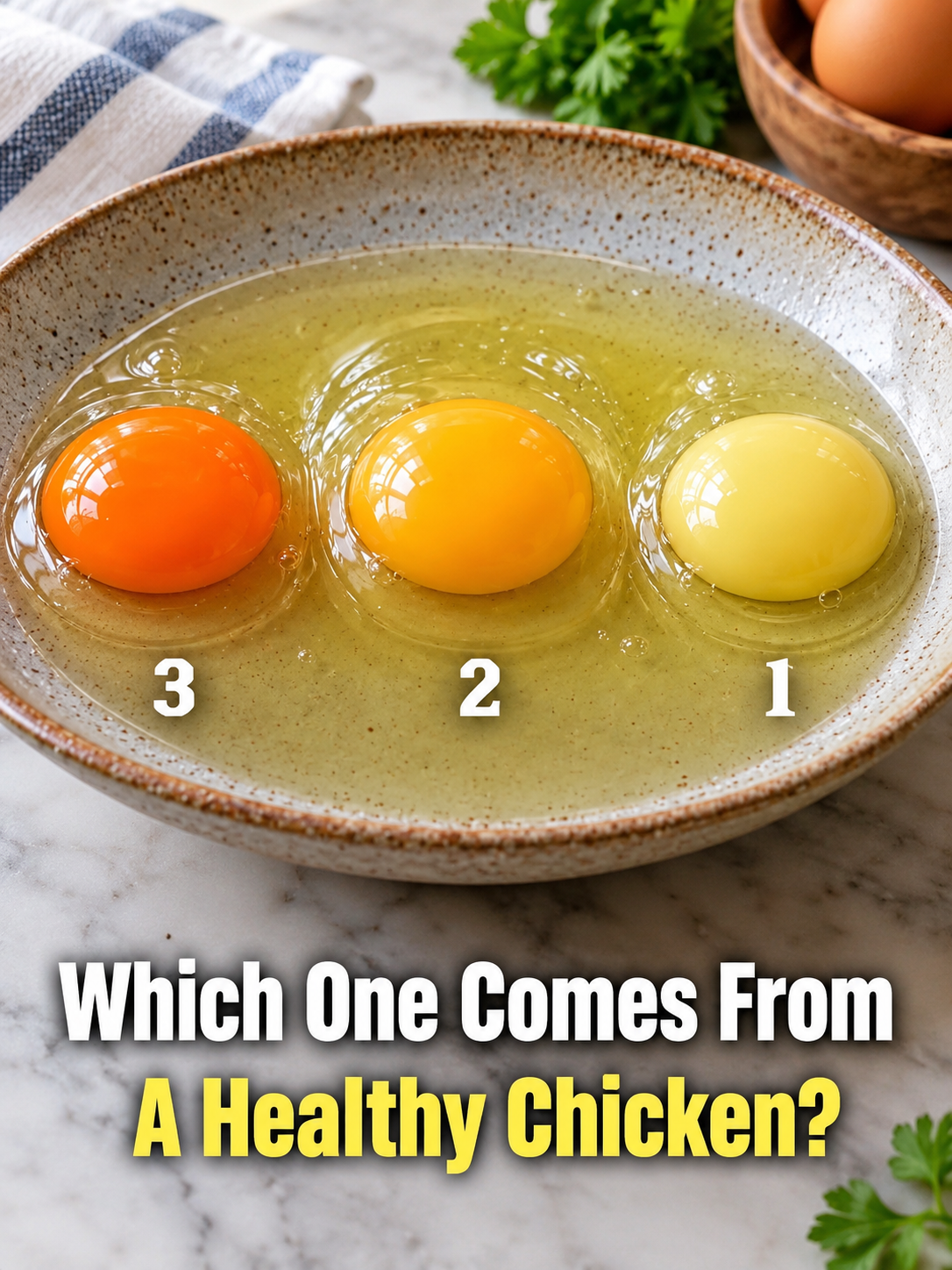
Understanding Egg Quality: Which Egg is From The Healthiest Chicken?
When navigating the grocery aisle, you may find yourself faced with a crucial question: which egg is from the healthiest chicken? With a myriad of choices available, it’s easy to get overwhelmed. You might instinctively reach for eggs with a bright orange yolk, thinking they are healthier. However, the reality is more nuanced. This article delves into what truly defines healthy eggs, examining key factors beyond just yolk color.
The Myth of Yolk Color and Nutrition
For many years, we’ve been led to believe that yolk color is indicative of an egg’s nutritional value. While it’s true that dark, orange yolks can often be visually appealing, they do not automatically signify a more nutritious egg. The hue of the yolk is primarily influenced by the hen’s diet—specifically, the carotenoids present in the foods consumed.
What Influences Yolk Color?
- Carotenoid-Rich Foods: Hens that are fed greens like grass, alfalfa, and even marigold petals tend to produce eggs with deeper orange yolks.
- Feed Quality: Commercial feeds may include additives that artificially enhance yolk color.
- Hygiene and Farming Practices: The overall quality of the hen’s environment, including cleanliness and general welfare, can also impact egg quality.
Thus, while a vibrant yolk might indicate that a hen has had a rich diet, observing yolk color alone cannot provide a comprehensive picture of an egg’s health benefits.
Nutritional Content of Eggs
Regardless of the yolk color, eggs are a powerhouse of nutrition. They provide essential nutrients that support our overall health. Here are some key components of egg nutrition:
- High-Quality Protein: Eggs are a complete protein source, providing all nine essential amino acids necessary for bodily functions.
- Vitamins: Eggs are a significant source of vitamin B12, which is vital for nerve health, as well as vitamin D, which supports bone health.
- Minerals: Eggs contain selenium, a mineral that plays a crucial role in metabolism and thyroid function.
- Choline: Choline is essential for brain health and is found abundantly in egg yolks.
Regardless of whether the yolk is pale yellow or bright orange, eggs remain a nutritious food choice.
Factors to Consider When Choosing Eggs
While yolk color has been a focus for many, several other factors are equally, if not more, important when assessing egg healthiness. Here are key considerations to keep in mind:
The Hen’s Diet
A hen’s diet is instrumental in determining the nutritional value of the eggs produced. Hens that are allowed free-range access usually have a varied diet that includes insects, plants, and grains, leading to higher quality eggs. In contrast, hens kept in commercial farms with limited diets may produce lower-quality eggs. Always look for terms like:
- Organic: Often indicates a higher quality feed free from synthetic additives.
- Pasture-Raised: Hens are allowed to roam freely outdoors, which can improve egg quality.
- Non-GMO: Indicates that the feed does not contain genetically modified organisms.
Farming Practices and Conditions
The conditions in which the hens are raised significantly affect both their wellbeing and the quality of eggs they produce. Ethical farming practices consider the following:
- Space and Environment: Hens that are overcrowded or confined may be stressed, leading to lower egg quality.
- Hygiene Standards: Proper hygiene should be maintained on farms to prevent diseases that can affect egg production.
- Healthcare: Hens that receive regular veterinary care are less likely to produce unhealthy eggs.
Egg Freshness
Another critical aspect of egg quality is freshness. Fresh eggs have firmer whites and stand up high, while older eggs have runny whites that spread out more. To determine freshness, you can use these simple tips:
- The Float Test: Place the egg in water; fresh eggs sink, while older eggs tend to float.
- Check the Pack Date: Look for the packing or expiration date on the carton.
Understanding Labels: What They Really Mean
Egg cartons can boast a variety of labels, but understanding what they mean is vital for making the healthiest choice. Here are some common labels and their implications:
Organic vs. Conventional
Organic eggs come from hens that are fed organic feed without synthetic pesticides or fertilizers and are raised in environments that promote natural behaviors. Conventional eggs come from intensive farming methods and may not meet the same welfare and dietary standards.
Cage-Free Vs. Free-Range
Cage-free hens are housed in a barn where they can move freely, while free-range hens are also given access to outdoor areas. Free-range eggs are typically a better option for both hen welfare and egg quality.
Omega-3 Enriched Eggs
These eggs come from hens that are fed a diet rich in omega-3 fatty acids, such as flaxseed, making these eggs a great source of healthy fats beneficial for heart health.
Conclusion: Making the Best Egg Choices
Choosing the healthiest eggs requires looking beyond just yolk color. Consider the hen’s diet, farming practices, and freshness. Quality labels can offer insights, but understanding what they mean is crucial. In the end, healthier choices contribute not only to your well-being but also promote better farming practices.
Next time you reach for a carton of eggs, remember: the vibrant yolk might catch your eye, but true nutritional value lies within understanding how the eggs were produced and what the hens were fed. By making informed choices, you can enjoy eggs that support both your health and ethical farming standards.
