
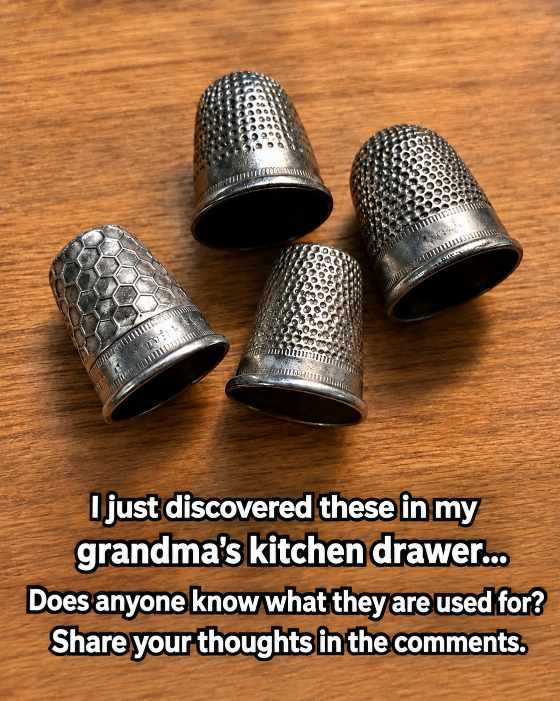
The Timeless Story of Thimbles
The thimble, a seemingly simple sewing tool, has a rich history that traces back thousands of years, showcasing the evolution of human craftsmanship across various civilizations. From its ancient origins as a protective device for finger skin during sewing to its status as a beloved collectible today, the thimble represents a fascinating journey through culture, technology, and artistry.
Origins of the Thimble: A Journey Through Time
Archaeological findings suggest that early forms of thimbles, or finger protection tools, date as far back as ancient civilizations. The first thimbles likely emerged when humans began to use bone or stone tools to push needles through tough materials like leather and animal hides.
Early Thimbles: Protection and Functionality
These primitive tools evolved over time into more refined protective caps. By around 100 AD, the Romans had already adopted the use of
bronze thimbles, crafted to be more ergonomic and effective for their sewing practices. Similar objects were discovered in ancient China and other early civilizations, suggesting that the need for finger protection while sewing was a universal challenge faced by many.
The focus of early thimble design was primarily on function rather than aesthetics. Most were handmade, often produced from bronze or bone, serving as essential tools for early artisans and craftspeople.
The Middle Ages: Thimbles in European Craftsmanship
During the Middle Ages, thimbles began to gain popularity, particularly in Europe. By the 14th century, they had become common for tailors, embroiderers, and leatherworkers who required finger protection during repetitive stitching.
The Rise of Nuremberg: A Hub for Thimble Production
In the 15th and 16th centuries, Nuremberg in Germany emerged as a pivotal center for thimble production. Craftsmen in this city innovated by developing improved brass alloys and precise manufacturing techniques. This advancement led to the creation of stronger and smoother thimbles, which could be produced in more standardized designs.
The refined craftsmanship of Nuremberg thimbles marked a significant step in transforming thimbles into widely produced household items. As sewing became more commonplace, the demand for quality thimbles increased, leading to the expansion of production techniques throughout Europe.
The Renaissance and Beyond: Thimbles as Decorative Artifacts
The 17th century witnessed further expansion in thimble production across Europe, especially in England and the Netherlands. With new manufacturing methods, thimbles were produced in larger quantities, and their shapes and durability saw remarkable improvements.
From Practical Tools to Status Symbols
During this period, decorative thimbles made from silver and other metals began to appear, indicating that these small but mighty tools were evolving beyond mere functionality. The thimble’s role transitioned from a practical sewing tool to a symbol of personal style.
By the 18th and 19th centuries, thimbles became not just sewing accessories but also fashionable items. Their use as decorative keepsakes reflected personal taste and social standing, often engraved or fashioned from precious materials. Collectors began to view them as small works of art, and many were meticulously preserved.
Modern Times: The Enduring Legacy of Thimbles
Today, the thimble still holds relevance among sewing enthusiasts, quilters, and craftsmen, although its prevalence has declined with the introduction of sewing machines and industrial production. Nevertheless, this small tool remains a cherished item for many.
Thimbles as Collectibles: A Connection to Tradition
Thimbles have transformed into popular collectibles valued for their design, historical significance, and cultural heritage across different eras. The modern collector often seeks out unique pieces, as each thimble tells a story of its time, revealing insights into art, fashion, and craftsmanship.
In the age of technological advancement, the thimble serves as a powerful reminder of human creativity and tradition. It connects today’s collectors and craftspeople with centuries of heritage, celebrating the artistry and skill involved in handmade crafts.
The Future of Thimbles: A Blend of Tradition and Innovation
As we move further into the digital age, the future of thimbles could be marked by a blend of tradition and modern innovation. While the essential purpose of thimbles remains unchanged, we may see new designs integrating advanced materials and techniques that increase functionality while retaining the historical charm of these tools.
Thimble Craftsmanship in the 21st Century
Contemporary artisans are exploring new methods to enhance the thimble experience. From 3D-printed thimbles that offer custom fit and personalized designs to eco-friendly materials that resonate with today’s sustainable practices, the innovation surrounding thimbles is limitless.
Moreover, the resurgence of interest in handmade crafts has rekindled a passion for sewing and quilting. As more people engage in these time-honored activities, the thimble stands poised to reclaim its essential role in crafting. Today’s artisans recognize that, beyond functionality, thimbles can also serve as an expression of individuality and creativity.
Conclusion: The Thimble’s Place in Craft History
The story of the thimble is, at its core, a narrative about human ingenuity and the drive to create. What began as a practical tool for protection has transformed into a symbol of artistic expression and cultural identity. As we navigate the intersection of tradition and modernity, the thimble will undoubtedly continue to capture the imagination of artisans, historians, and collectors alike.
In tracing the history of thimbles—from ancient tools of protection to cherished collectibles—we celebrate not just a singular object, but the enduring spirit of craft that has been passed down through generations. Whether used in sewing, appreciated as an art form, or cherished in a collection, thimbles are a testament to the beauty of handmade craftsmanship and the stories it holds.
