
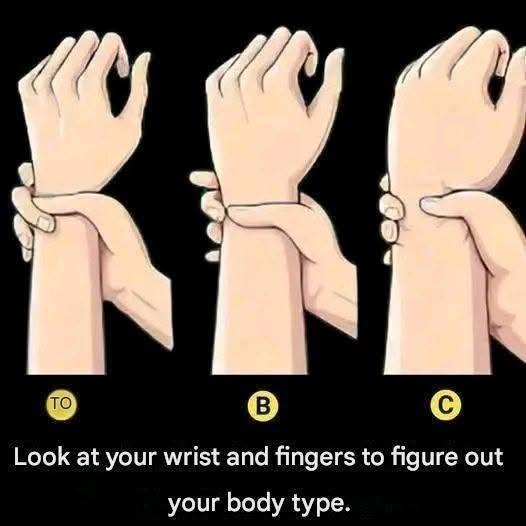
Understanding Body Types: Ectomorph, Mesomorph, and Endomorph
Are you aware that your body type can significantly influence your fitness journey? Whether you aim to bulk up, trim down, or simply maintain a healthy lifestyle, understanding whether you are an ectomorph, mesomorph, or endormorph can offer insights into your unique metabolism and exercise requirements. In this comprehensive guide, we will delve into each body type’s characteristics, how they affect training and dietary needs, as well as address the broader implications of these classifications in today’s fitness landscape.
The Ectomorph Body Type
The ectomorph body type is characterized by a slim, slender appearance. Individuals with this body type typically possess narrow shoulders and hips, with long limbs and low body fat. This naturally lean physique leads to a high metabolism, making it challenging for ectomorphs to gain weight, whether it’s muscle or fat.
Characteristics of Ectomorphs
- Slender bone structure
- High metabolism
- Difficulty in gaining weight and muscle mass
- Long limbs
- Low levels of body fat
Training Tips for Ectomorphs
Ectomorphs should focus on strength training to build muscle. Here are some training tips tailored for ectomorphs:
- Prioritize Compound Movements: Exercises like squats, deadlifts, and bench presses help stimulate multiple muscle groups simultaneously, promoting overall growth.
- Limit Cardio: While cardio is important for heart health, ectomorphs should limit excessive cardio sessions, which can hinder muscle gain.
- Focus on Weights Over Reps: Using heavier weights with lower repetitions (about 6-8 reps) can help in muscle hypertrophy.
Dietary Needs for Ectomorphs
Dietary strategies should also be adapted to an ectomorph’s unique needs. Here are some essential dietary tips:
- High-Calorie Diet: To gain weight, ectomorphs need to consume larger quantities of food. Focus on nutrient-dense foods.
- Balanced Macronutrients: Ensure a mix of carbohydrates, proteins, and fats in your diet. Emphasize good fats like avocados, nuts, and olive oil.
- Frequent Meals: Eating small, frequent meals throughout the day can help maintain energy levels and promote weight gain.
The Mesomorph Body Type
Mesomorphs are often seen as the most athletic of the body types. Individuals with this classification typically have a naturally muscular build, broad shoulders, and a tapered waist. Mesomorphs can gain or lose weight relatively easily, making their bodies adaptable to various training disciplines.
Characteristics of Mesomorphs
- Muscular and athletic appearance
- Broad shoulders and narrow waist
- Gains muscle easily
- Can lose weight without much effort
Training Tips for Mesomorphs
For mesomorphs, a well-rounded training regimen is key. Here are some effective training tips:
- Combine Strength and Cardio: A mix of weight training and cardiovascular workouts can enhance muscle response and overall fitness.
- Vary Intensity: Incorporate both higher intensity and moderate training elements to maintain engagement and development.
- Sculpt and Define: Focus on isolation exercises after foundational lifts to define and sculpt muscles.
Dietary Needs for Mesomorphs
Mesomorphs benefit from a balanced diet that provides sufficient energy for their active lifestyle. Here are essential dietary tips:
- Control Caloric Intake: Since mesomorphs can gain weight easily, monitoring caloric intake is crucial.
- Balanced Macronutrient Ratio: Aim for a balanced ratio of carbohydrates, proteins, and fats, adjusting according to workout intensity.
- Stay Hydrated: Proper hydration is essential for muscle function and overall health.
The Endomorph Body Type
Endomorphs possess a rounded physique with a tendency to store body fat more easily. They usually have wider hips and shoulders and may find it challenging to lose weight. However, they also have a solid foundation of muscle.
Characteristics of Endomorphs
- Soft and round physique
- Wider bone structure
- Easier weight gain
- Can build muscle but may carry excess body fat
Training Tips for Endomorphs
Endomorphs require a slightly different approach to training. Here’s how they can optimize their fitness:
- Incorporate Cardio: Regular cardiovascular exercises are critical for fat loss and improving metabolic rate.
- Focus on Resistance Training: Building muscle can improve metabolism. Endomorphs should engage in strength training at least three times a week.
- High-Intensity Interval Training (HIIT): This training method can be particularly effective for burning fat in a shorter time frame.
Dietary Needs for Endomorphs
The dietary approach for endomorphs should emphasize fat loss while preserving muscle mass. Here are some dietary tips:
- Reduce Carbohydrate Intake: Focusing on low-glycemic carbohydrates can help regulate blood sugar and reduce fat storage.
- Increase Protein Consumption: High-protein diets can aid in satiety and muscle retention during weight loss.
- Healthy Fats: Include sources of healthy fats such as fish, nuts, and olive oil to support metabolic health.
Critiques of the Body Type Classification System
While the ectomorph, mesomorph, and endomorph classification system is widely recognized in fitness circles, it is essential to acknowledge its limitations. Science has evolved, and these categories are often seen as overly simplistic. Factors such as genetics, lifestyle, and individual health conditions play a much larger role in determining one’s body composition and metabolic efficiency than these three categories suggest.
The Role of Genetics and Environment
Genetics can indeed influence your body type, but environmental factors also contribute significantly to body composition. Diet, lifestyle choices, and physical activity levels can all modify how your body responds to food and exercise.
A Holistic Approach to Fitness
Rather than strictly adhering to a specific body type classification, a more holistic approach to fitness and nutrition is advisable. This means personalizing your fitness and dietary regimen based on your individual needs, preferences, and body responses.
Final Thoughts on Body Types
Understanding whether you are an ectomorph, mesomorph, or endomorph can provide valuable insights into your fitness journey. However, embracing the complexity of human physiology is crucial for achieving your health and fitness goals. By combining knowledge of body types with personalized strategies in training and nutrition, you can optimize your outcomes and foster a well-rounded lifestyle.
In conclusion, rather than allowing your body type to define your fitness journey, use this knowledge as a tool for empowerment. Customize your workouts and diets, listen to your body, and adjust plans as needed to achieve the healthiest version of yourself.
