
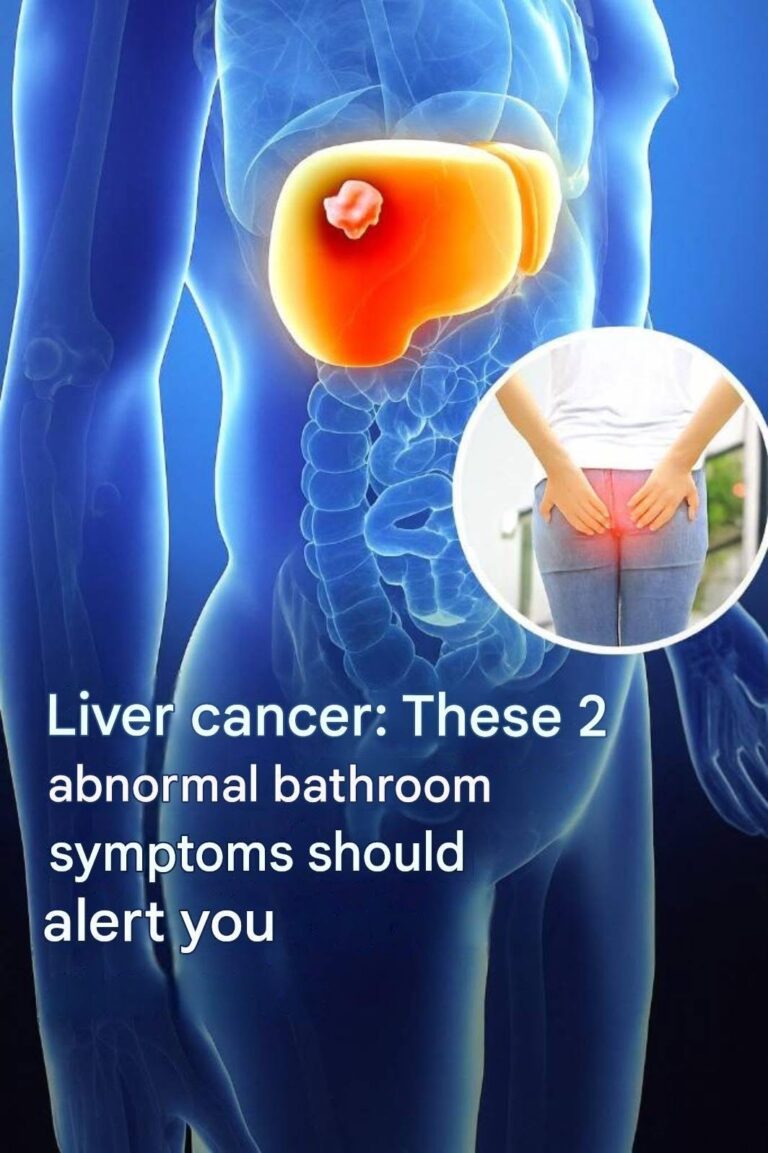
The Symptoms of Liver Cancer: Understanding the Disease that Affected Thierry Ardisson
The passing of iconic television host Thierry Ardisson serves as a poignant reminder of the devastating reality of liver cancer. Announced on July 14th, his family revealed the battle he fought against this aggressive disease. Understanding the symptoms and risk factors associated with liver cancer can empower individuals with knowledge and aid in early detection, which is crucial for improving outcomes. In this article, we’ll delve into the symptoms, risk factors, and the importance of awareness surrounding liver cancer.
What is Liver Cancer?
Liver cancer primarily begins in the liver cells, particularly in an area called the hepatocytes. It’s essential to differentiate between primary liver cancers, which originate in the liver, and secondary liver cancers, where cancer spreads to the liver from other organs. The most common type of primary liver cancer is hepatocellular carcinoma (HCC).
Types of Liver Cancer
- Hepatocellular Carcinoma (HCC): This is the most prevalent type of liver cancer, commonly linked with chronic liver diseases.
- Cholangiocarcinoma: A cancer that arises from the bile ducts within the liver, this type is less common but often diagnosed at advanced stages.
- Hepatoblastoma: A rare liver cancer that primarily affects children, it is typically diagnosed in very young children.
Common Symptoms of Liver Cancer
Recognizing the symptoms of liver cancer can significantly impact treatment options and prognosis. In many cases, liver cancer symptoms go unnoticed until the disease advances. Here are some of the most common symptoms associated with liver cancer:
1. Abdominal Pain or Discomfort
Many patients report a dull ache or sharp pain in the upper right side of the abdomen. This discomfort can arise as the tumor grows, pressing against surrounding organs and tissues.
2. Unexplained Weight Loss
Sudden and unexplained weight loss is a prevalent symptom in those suffering from liver cancer. This weight loss often occurs due to changes in appetite, nausea, or metabolic changes brought on by the disease.
3. Jaundice
A common symptom of liver-related diseases, jaundice manifests as a yellowing of the skin and eyes. It occurs when the liver is unable to effectively process bilirubin, leading to its accumulation in the body.
4. Fatigue and Weakness
Many liver cancer patients experience chronic fatigue and a general sense of weakness, which can significantly impair daily activities and overall quality of life.
5. Swelling in the Abdomen
As fluid accumulates in the abdominal cavity—a condition known as ascites—patients can experience noticeable bloating and swelling. This symptom often signals a progression of the disease.
6. Loss of Appetite
A significant reduction in appetite is common among those with liver cancer. This symptom is frequently accompanied by feeling full after eating small amounts of food.
Risk Factors for Liver Cancer
Understanding the risk factors associated with liver cancer can help in prevention and early detection. While some factors are unavoidable, lifestyle changes can mitigate risks. Here are some significant risk factors:
1. Chronic Viral Hepatitis
Chronic infections with hepatitis B and C viruses (HBV and HCV) are primary risk factors for liver cancer. Individuals with these chronic infections are significantly more likely to develop HCC.
2. Cirrhosis
Cirrhosis, or scarring of the liver resulting from chronic liver diseases, increases the risk of developing liver cancer. Alcohol abuse, fatty liver disease, and chronic hepatitis can contribute to cirrhosis.
3. Alcohol Abuse
Excessive alcohol consumption leads to liver disease and increases the risk of liver cancer. It contributes to cirrhosis and other liver complications that can precipitate cancer development.
4. Non-Alcoholic Fatty Liver Disease (NAFLD)
The rise of non-alcoholic fatty liver disease is attributed to the obesity epidemic. This condition is characterized by fat accumulation in the liver and can eventually lead to cirrhosis and liver cancer.
5. Aflatoxin Exposure
Aflatoxins are toxic compounds produced by mold, primarily found on crops such as peanuts and corn. Long-term exposure increases liver cancer risk, particularly in regions with prevalent aflatoxin contamination.
The Importance of Early Detection
Early detection is crucial in improving survival rates for liver cancer. Regular screenings and being aware of liver cancer symptoms can facilitate timely diagnosis and better treatment outcomes. Here are some key points regarding early detection:
Regular Screening
For individuals at high risk (such as those with chronic hepatitis or cirrhosis), regular screenings through ultrasounds and blood tests (such as alpha-fetoprotein tests) can help catch liver cancer in its early stages.
Consulting Healthcare Professionals
If experiencing any symptoms associated with liver cancer, it’s crucial to consult a healthcare professional for evaluation. They can recommend appropriate diagnostic tests and implement necessary interventions.
Conclusion
The tragic loss of Thierry Ardisson highlights the critical need for increased awareness of liver cancer, its symptoms, and risk factors. By understanding these aspects, individuals can advocate for themselves and others in seeking timely medical attention. If you or someone you know exhibits symptoms such as abdominal pain, weight loss, jaundice, or worsening fatigue, seek medical care promptly. Knowledge is power, and early intervention can significantly alter the course of this challenging disease.
