
Nourishing Your Nails: Essential Nutrients for Strength and Health
Your nails are not just a stylish canvas for your favorite polish; they serve as important indicators of your overall health. Understanding the connection between your diet and nail health can provide insight into possible deficiencies and help you foster stronger, more beautiful nails. In this comprehensive guide, we will explore the key nutrients your nails crave, their significance, and how to incorporate them into your daily diet. From biotin to essential proteins, let’s delve into the science-backed secrets for healthy nails.
The Connection Between Nutrition and Nail Health
Many factors contribute to the appearance and strength of your nails, including genetics and environmental influences. However, nutrition plays a crucial role that cannot be overlooked. When your body lacks essential nutrients, it can manifest in weak, brittle, or slow-growing nails. By enriching your diet with specific vitamins and minerals, you can significantly improve nail strength and appearance.
Signs of Unhealthy Nails
Before diving into the nutrients, it’s important to identify the signs that your nails may be suffering from nutritional deficiencies. Common indicators include:
- Brittle or peeling nails
- Discolored nails
- Slow nail growth
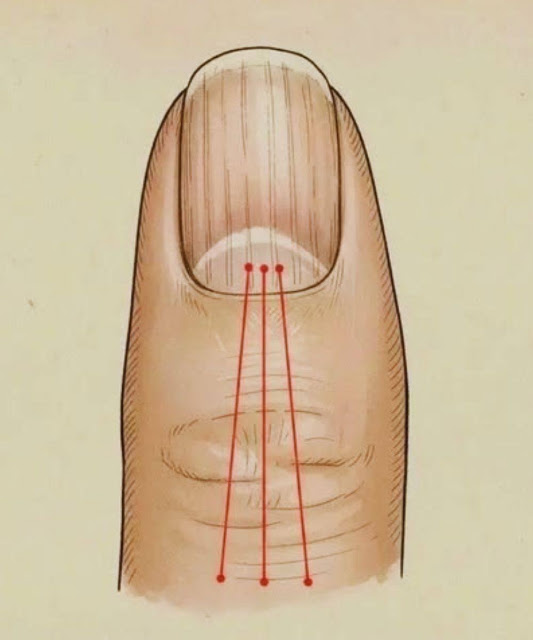
- Vertical or horizontal ridges
- Frequent nail breakage
If you notice any of these symptoms, it may be time to reassess your dietary intake and consider supplementation.
Top Nutrients for Strong, Healthy Nails
Now, let’s explore the top nutrients recognized for promoting nail health, their significance, and the best food sources to include in your diet.
1. Biotin (Vitamin B7)
Biotin is a water-soluble vitamin that plays a vital role in keratin production—the primary protein that forms your nails, hair, and skin. When deficient in biotin, you may experience thin, splitting nails along with hair loss.
Daily need: Most adults require about 30 mcg of biotin, and while many get sufficient amounts through diet, those with brittle nails may benefit from supplementation.
Food sources of biotin include:
- Eggs (especially the yolk)
- Almonds
- Sweet potatoes
- Salmon
- Avocado
- Nuts and seeds
2. Protein
Your nails are composed of approximately 95% keratin, a strong, structural protein essential for healthy nail growth. Inadequate protein intake can lead to weak and slow-growing nails.
Daily need: The general recommendation is 0.8g of protein per kilogram of body weight; however, if you’re active, you may require more.
Rich sources of protein include:
- Lean meats
- Fish
- Eggs
- Greek yogurt
- Lentils
- Tofu and quinoa
3. Zinc
Zinc is a trace mineral that is essential for cellular division and repair, including the cells that form your nails. Deficiency can lead to white spots on the nails, weak growth, and even nail loss.
Daily need: Men need about 11 mg, while women require around 8 mg of zinc daily.
Good dietary sources of zinc include:
- Red meat
- Shellfish
- Legumes
- Nuts
- Dairy products
4. Iron
Iron is crucial for oxygen transport in the body. A deficiency can result in weak, spoon-shaped nails (koilonychia), indicating a lack of iron in the diet.
Daily need: Adult men need about 8 mg, while women require around 18 mg (and even more during pregnancy).
Food sources rich in iron include:
- Red meat
- Poultry
- Beans and lentils
- Tofu
- Dark leafy greens
- Nuts and seeds
5. Omega-3 Fatty Acids
These healthy fats help moisturize your nails and support cell regeneration and skin health around your nails. A deficiency can lead to dry, brittle nails and inflammation around the nail bed.
Daily need: It’s recommended to consume at least two servings of fatty fish per week to meet your omega-3 needs.
Rich sources of omega-3 fatty acids include:
- Fatty fish (such as salmon, mackerel, and sardines)
- Flaxseeds and flaxseed oil
- Walnuts
- Chia seeds
6. Vitamin E
Vitamin E is an antioxidant that helps maintain healthy skin and nails, protecting them from damage caused by free radicals. It may also enhance blood circulation, promoting nail growth.
Daily need: Adults generally require about 15 mg of vitamin E daily.
Food sources of vitamin E include:
- Nuts (especially almonds)
- Seeds
- Spinach
- Avocados
- Olive oil
Incorporating Nutrients Into Your Diet
Now that you are aware of the key nutrients for nail health, it’s vital to discover ways to incorporate them effectively into your diet. Here are some practical tips:
- Prioritize Diverse Diets: Aim for a balance of proteins, fruits, vegetables, and healthy fats in your meals.
- Meal Prep: Take time to plan meals that include a variety of food sources rich in vitamins and minerals for nail health.
- Supplement Wisely: Consult with a healthcare provider before starting any supplementation, particularly if you suspect a deficiency.
- Stay Hydrated: Drinking plenty of water contributes to overall health, including the health of your nails.
Conclusion
Your nails can provide significant insights into your overall health and nutritional status. By understanding the essential nutrients required for strong, healthy nails and properly incorporating them into your diet, you can achieve the beautiful, resilient nails you desire. Remember, a well-balanced diet is key, and if you’re experiencing persistent nail problems, consider consulting a healthcare professional for personalized advice.
