
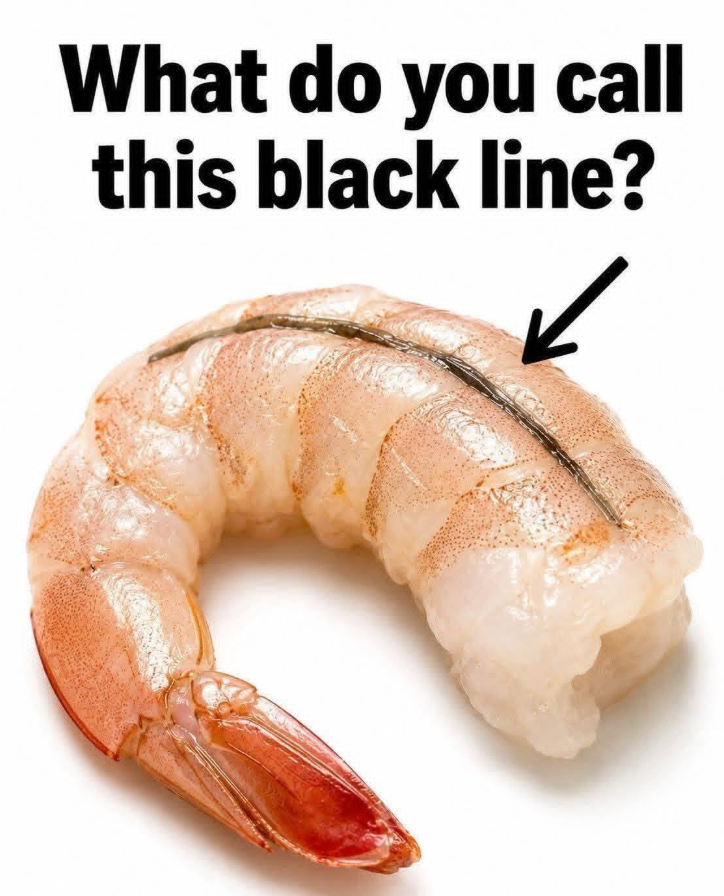
Do You Really Need to Remove the Dark Line from Shrimp? Understanding the Vein
If you have ever cooked shrimp or ordered it at a restaurant, you may have noticed a dark line along the back of the shrimp. This dark line is often misunderstood, with some people removing it out of habit while others leave it untouched. In this comprehensive guide, we will unravel the mystery of this dark line, debunk myths surrounding shrimp preparation, and explore the best practices for handling shrimp in your kitchen. Understanding the anatomy of shrimp and the role of this dark line can enhance your cooking experience and help ensure food safety.
What is the “Vein” in Shrimp?
The dark line running along the back of the shrimp is commonly referred to as the “vein.” However, despite its name, this is not actually a vein like you might find in humans or other animals. Instead, it is the shrimp’s digestive tract, which contains the remnants of food the shrimp has consumed. Knowing what this dark line really is can influence whether you decide to remove it before cooking.
Understanding Shrimp Anatomy
To truly understand the significance of the dark line and the digestive tract, it is crucial to have a basic understanding of shrimp anatomy. Shrimp, like other crustaceans, have an exoskeleton and a body that includes various parts: the head, thorax, and abdomen. The digestive tract runs through their body, carrying nutrients from the food they eat, which often includes algae, plankton, and other organic matter.
Why Do People Remove the Dark Line?
Many home cooks and chefs may choose to remove the dark line for several reasons:
- Texture Concerns: Some people find that the texture of the digestive tract is unappealing.
- Flavor Preferences: Others believe that removing the line enhances the shrimp’s flavor.
- Food Safety: Concerns about potential contamination or spoilage are also common.
Is It Necessary to Remove the Dark Line?
The necessity of removing the dark line largely depends on personal preference. Here are a few points to consider:
Food Safety Considerations
From a food safety perspective, the dark line is generally safe to consume. However, if the shrimp is not fresh or has been improperly stored, there may be a higher risk of contamination. It is essential to always buy shrimp from reputable sources and to prioritize proper handling and cooking methods to ensure safety.
Cooking Methods and Flavor
Different cooking methods can influence the taste and texture of the shrimp. For instance, grilled, sautéed, or steamed shrimp typically have stronger flavors that can overshadow any slight bitterness from the dark line. In contrast, in dishes where shrimp is boiled or cooked with a sauce, the dark line may impart an undesirable taste. If you’re preparing a dish where shrimp is the star ingredient, it might be beneficial to remove the dark line to enhance overall flavor.
How to Properly Remove the Dark Line
If you’ve decided to remove the dark line, follow these simple steps to clean shrimp effectively:
- Start with Clean Hands: Always wash your hands thoroughly before handling raw shrimp.
- Use a Sharp Knife or a Toothpick: For easy removal, use a sharp knife or a toothpick to pierce the shell above the dark line.
- Carefully Pull it Out: Gently pull the dark line out. It should come off easily. If it breaks, simply retrieve any remnants.
- Rinse the Shrimp: After removing the dark line, rinse the shrimp under cool water to clean any leftover debris.
How the Dark Line Affects Cooking and Recipes
Now that you understand what the dark line is and how to remove it, let’s explore how it can affect your cooking.
Recipes Where Removal is Recommended
In certain recipes, particularly those where shrimp is the main ingredient or eaten directly, such as shrimp cocktail or grilled shrimp skewers, it’s advisable to remove the dark line. This ensures that the shrimp’s flavor and texture are pleasing to the palate.
Recipes That Can Accommodate the Dark Line
Conversely, recipes like shrimp soups, stews, or stir-fries can often camouflage any unpleasant aspects of the dark line. Cooking it in a rich broth or sauce can help diminish any conflicting flavors. In such cases, leaving the dark line intact may save you time without compromising the dish’s overall quality.
Conclusion: The Choice is Yours
The decision to remove the dark line from shrimp ultimately comes down to personal preference. While it is not harmful to consume, cleaning shrimp can enhance both the visual appeal and flavor of your dishes. Whether you choose to leave it in or clean it out, always prioritize sourcing high-quality shrimp and practicing safe food handling methods. With the right approach, delightful shrimp dishes await you!
For more insights on seafood preparation and cooking techniques, continue exploring culinary resources that emphasize safe and flavorful cooking practices.
