
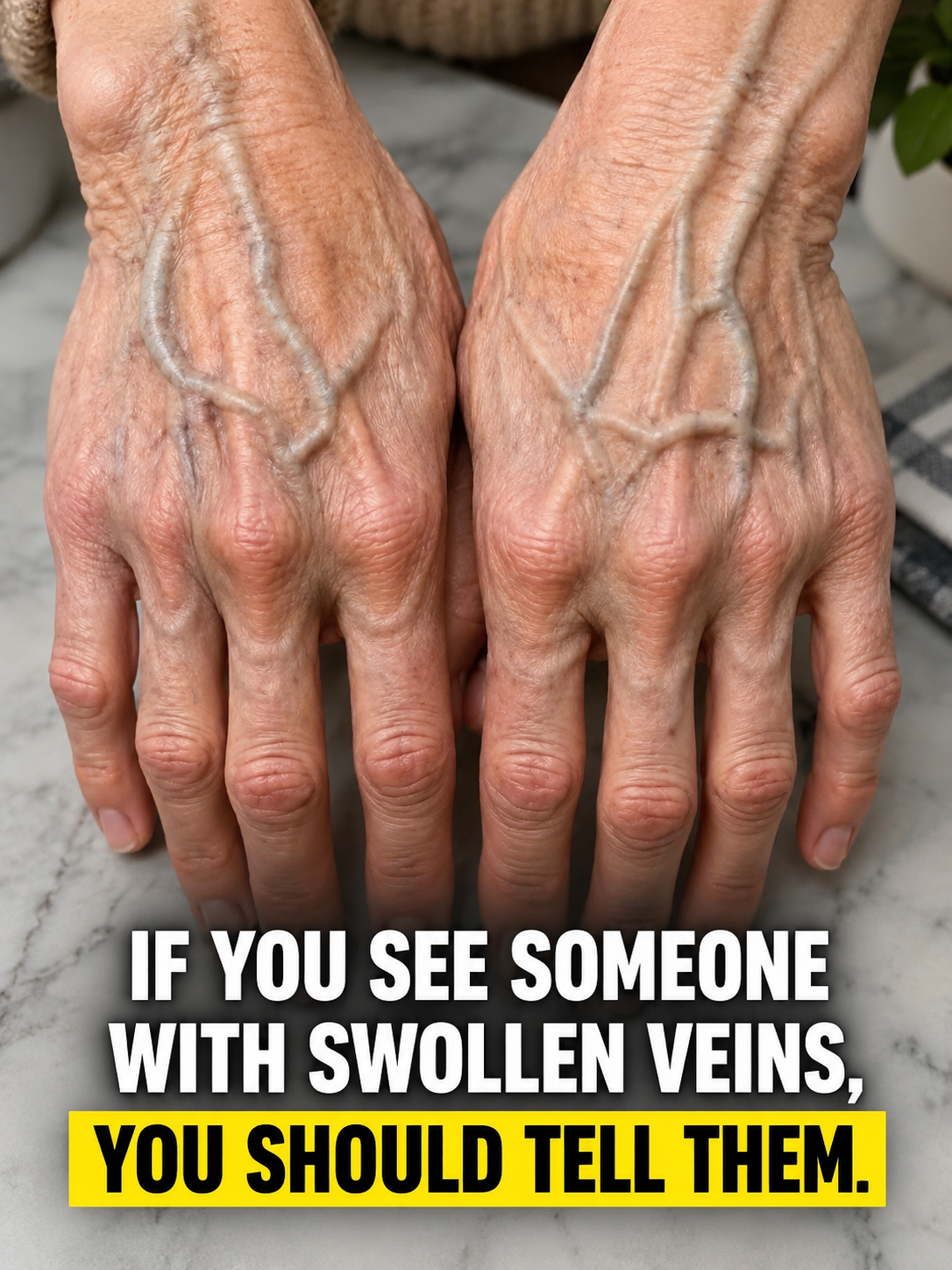
If Your Veins Are Visible, It Means You Are…
Many individuals notice that their veins can become more visible under certain conditions, especially as they age or engage in physical activities. While this may initially seem concerning, it’s essential to understand the reasons behind such changes. Visible veins are often harmless and can be attributed to several factors, including body composition, exercise, temperature, and aging. However, there are instances when noticeable veins should prompt a conversation with a healthcare professional.
Understanding Why Veins Become More Visible
The visibility of veins is primarily influenced by an individual’s body composition, physical activity, skin condition, and environmental factors. Below are the key reasons why your veins might be showing more than usual:
1. Body Composition
One of the most common reasons for visible veins is a low body fat percentage. Individuals who are slimmer or highly muscular tend to have less fat and tissue covering their veins, making them appear more prominent. This is particularly true for athletes or those who have a high level of fitness, as their veins often bulge during exercise due to increased blood flow.
2. Exercise and Physical Activity
During physical exertion, especially weightlifting or high-intensity workouts, the body experiences increased blood flow to muscles. This surge in blood volume leads to veins expanding, causing them to become more visible. Bodybuilders, for instance, often showcase prominent veins in their arms and legs, a phenomenon commonly referred to as “vascularity.”
3. Aging and Skin Changes
As people age, various physiological changes occur in their bodies. One significant change is the loss of collagen, a protein responsible for maintaining skin firmness and elasticity. As skin becomes thinner and less elastic, the underlying structures, including veins, become more apparent. This is particularly noticeable on areas like the hands and arms.
4. Temperature and Environment
Warm temperatures can contribute to the visibility of veins. When the body is exposed to heat, blood vessels naturally dilate to help regulate body temperature. This is why you might notice your veins looking more pronounced after a hot bath or during summer months. The increased blood flow to the surface of the skin helps dissipate heat, resulting in more visible veins.
When to Seek Medical Attention
While visible veins are often not a cause for alarm, certain changes warrant medical attention. It’s crucial to distinguish between normal variations in vein prominence and those that might indicate underlying health issues. Here are some signs to look out for:
1. Changes in Size or Color
If you notice that your veins have suddenly become swollen or discolored, it could indicate a problem. Healthy veins generally maintain a consistent size and color. Swollen or variably colored veins may point to conditions such as varicose veins or thrombophlebitis (inflammation of a vein). These conditions often require medical assessment.
2. Accompanying Symptoms
Be vigilant for symptoms accompanying the visible veins, such as:
- Pain or discomfort in the affected area.
- A feeling of heaviness or fatigue in the limbs.
- Burning sensations around the veins.
- Changes in skin texture or color surrounding the veins.
Should you experience any of these symptoms, particularly if they appear suddenly or are localized to one limb, it’s advisable to seek a healthcare professional’s opinion.
3. Personal Medical History
Your personal or family medical history can also dictate when to check in with a doctor. If you have a history of venous diseases, blood clots, or other circulatory issues, err on the side of caution and consult with a healthcare provider if you notice significant changes in your veins.
What Your Veins May Be Telling You
Visible veins, while they can be concerning, often reflect normal anatomical and physiological conditions. However, understanding what these changes signify can help you maintain good health. Here’s what you should consider:
1. Individual Variation
The appearance of veins varies widely among individuals. For some, prominent veins are simply a normal physical feature, while others may see temporary changes due to exercise or changes in body composition. It’s vital to recognize what is typical for you.
2. Monitor Changes
It’s essential to observe how your veins change over time. While an increase in visibility during exercise or warm weather is generally normal, a sudden change in the appearance of your veins without explanation should prompt a consultation with a doctor. Keeping a record of any symptoms or changes can be beneficial for discussions with healthcare professionals.
3. Embrace Your Body’s Changes
Finally, while visible veins can sometimes be associated with health concerns, they are also a natural outcome of your body adapting to various factors. Whether it’s a result of fitness, age, or temperature changes, recognizing and accepting these variations as part of your unique body can promote a healthier body image.
Conclusion
In summary, visible veins can symbolize a variety of changes that range from benign to requiring medical attention. While many factors influence vein visibility—such as body composition, exercise, aging, and environmental conditions—understanding what your body is telling you is crucial for maintaining overall health. Always be proactive about monitoring any significant changes and do not hesitate to reach out to medical professionals when in doubt. By staying informed and attentive, you can better navigate the complexities of your vascular health.
