
The Gentle Art of Unplugging: Understanding the Importance of Unplugging Common Appliances
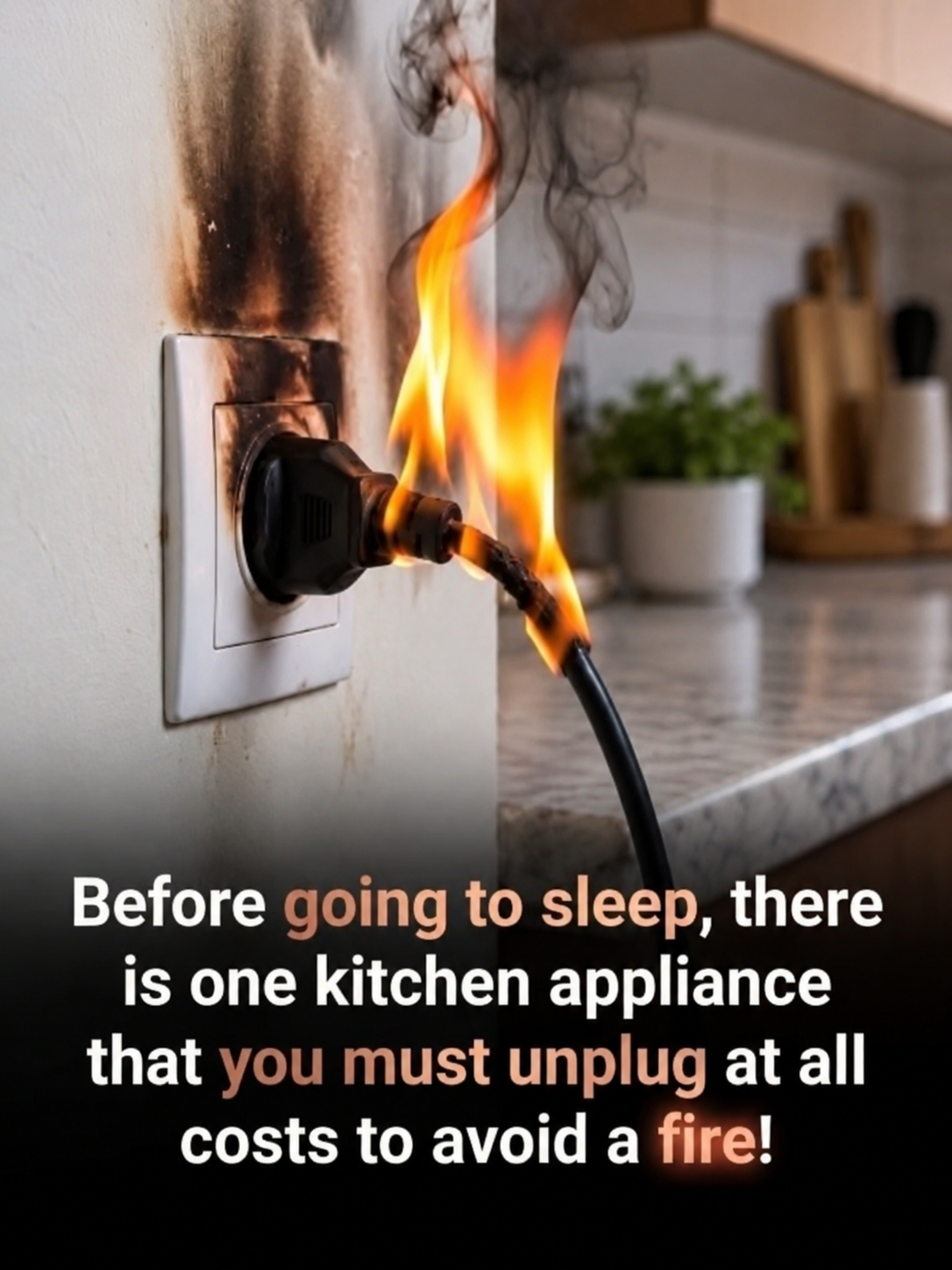
In our fast-paced lives, we often take for granted the conveniences provided by modern appliances. However, many of these household devices continue to consume electricity even when they’re not in use, a phenomenon known as phantom load or standby power. This hidden energy drain can account for up to 10% of your home’s electricity usage, leading to unnecessary expenses on your utility bills and posing safety risks. In this article, we will delve into the importance of unplugging common household appliances, identify those that are often left plugged in, and explore practical strategies to enhance safety, reduce energy costs, and promote peace of mind.
Understanding Phantom Load: The Silent Energy Drain
Phantom load is the energy consumed by devices even when they are turned off but remain plugged into an outlet. This silent energy drain usually arises from appliances that have digital displays, remote controls, or standby features. Over time, these small amounts of energy can accumulate, leading to significant costs. It is not merely an issue of wasted electricity; certain appliances left plugged in can also create safety hazards within the home. Thankfully, adopting the simple habit of unplugging these devices can mitigate many of these issues.
Common Appliances That Should Always Be Unplugged
While many appliances are designed to save energy when not in use, some still consume power and can present safety risks if left plugged in. Here, we discuss five common appliances for which unplugging is highly advisable:
1. Toasters and Toaster Ovens
The aroma of freshly toasted bread wafts through your kitchen, but did you know that your toaster could be a potential fire hazard? Crumbs can accumulate inside the appliance, igniting if the toaster is accidentally activated while plugged in. Even when switched off, many models continue to consume electricity.
- The hidden cost: Standby power keeps internal circuits operational, resulting in unnecessary energy use.
- The safety edge: Unplugging completely eliminates risks from power surges or faulty wiring.
- Pro tip: Clean out crumbs weekly and unplug after each use for added safety.
2. Coffee Makers
Your morning coffee is a ritual that many cherish, but how much is that convenience costing you? Many coffee makers use standby power to keep their clocks running or remain in a warm state for quick access.
- The hidden cost: Continuous power draw can amount to $5–$15 per year, depending on your coffee maker’s model and local electricity rates.
- The safety edge: A malfunctioning coffee maker with a heating element still receiving power can become a fire risk, especially near flammable items.
- Pro tip: Unplug after brewing, adding one simple step to your morning routine while promoting kitchen safety.
3. Air Fryers
Known for their ability to cook food quickly and healthily, air fryers have become staples in many kitchens. However, their digital displays and memory functions mean they often remain active even when not in use.
- The hidden cost: Standby electricity for maintaining preset temperatures and display features can add up over time.
- The safety edge: Unplugging after use ensures no power is sent to the device, mitigating risks from electrical faults.
- Pro tip: Allow the unit to cool before unplugging and regularly clean to prevent grease buildup near electrical components.
4. Space Heaters
Space heaters provide warmth and comfort, but they can also pose significant dangers if left plugged in. Many older space heaters continue to draw some power even when turned off, which can lead to overheating.
- The hidden cost: While the standby energy consumption is minimal, the potential risks are considerable.
- The safety edge: Unplugging space heaters when not in use minimizes electrical hazards, especially in homes with children or pets.
- Pro tip: Always unplug space heaters immediately after use and do not use extension cords with them.
5. Microwaves
Your microwave’s digital clock never sleeps, consuming energy even when not being used. This standby power can lead to unnoticed costs over time.
- The hidden cost: An idle microwave can cost $5–$10 annually in standby power fees.
- The safety edge: Continuous power can lead to malfunctions, especially in older models with less reliable electrical systems.
- Pro tip: Unplug during extended vacations, storms, or breaks in usage for enhanced safety.
Additional Benefits of Unplugging Appliances
Beyond safety and cost savings, unplugging appliances provides several tangible benefits:
- Extends appliance lifespan: Constant power can degrade electrical components and reduce the overall lifespan of devices.
- Reduces energy costs: Small savings on phantom load can add up: the less you pay on utility bills, the more you can allocate to other areas of your budget.
- Promotes environmental awareness: Utilizing less energy helps reduce your carbon footprint and promotes sustainability.
A Holistic Approach to Energy Conservation
Unplugging individual appliances is an excellent start, but enhancing home safety and energy efficiency also involves adopting some broader household habits:
- Inspect cords regularly: Look for frayed wires or damage, which could pose risks of electrical fires.
- Manage outlet use: Avoid overloading power strips, especially with high-heat appliances, to prevent overloads.
- Maintain clearance: Ensure that heating appliances are kept at least three feet away from flammable items like paper or fabric.
- Test smoke detectors: Regularly test these devices and replace batteries at least every six months.
- Invest in smart power strips: These can automatically cut off power to devices that are not in use, effectively reducing phantom loads.
The Bigger Picture: Small Acts Lead to Big Changes
Unplugging may seem like a small act, but it can lead to significant improvements in safety and energy efficiency within your home. It fosters a mindful approach to energy consumption and safeguards your living environment. Remember, this isn’t about fearing our appliances; it is about cultivating awareness and making conscious decisions to enhance your household’s safety and efficiency.
As you consider changes to your appliance usage, keep in mind the profound impact of small, consistent actions. The act of unplugging is not simply a habit; it is a commitment to mindful stewardship of your home, your finances, and our planet.
