
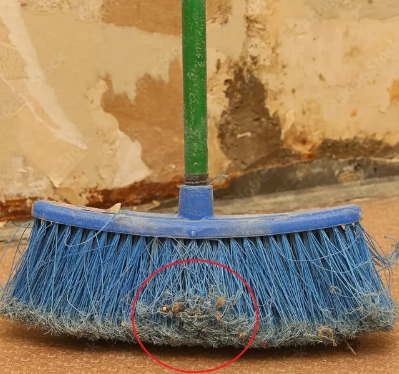
Before throwing away a worn-out cleaning broom, take a closer look at its condition. Bristles that appear bent, dirty, tangled, or flattened do not necessarily mean that the broom has reached the end of its useful life. In many cases, a few simple cleaning and maintenance techniques can restore its shape and improve its performance.
A broom is one of the most frequently used household cleaning tools, yet it is often one of the most neglected. It collects dust, hair, crumbs, pet fur, and other debris every time it is used. Without regular care, this dirt becomes trapped between the bristles, making the broom less effective and causing it to spread dust instead of removing it.
Fortunately, proper cleaning, drying, storage, and occasional reshaping can significantly extend the life of a broom. These practical tips can help you avoid unnecessary replacements and keep your cleaning equipment working efficiently for much longer.
Why Do Broom Bristles Become Damaged?
Over time, broom bristles may begin to bend, separate, curl, or lose their original shape. This wear is usually caused by repeated pressure, accumulated dirt, moisture, improper storage, or using the broom on unsuitable surfaces.
One of the most common causes of deformation is leaving the broom standing directly on its bristles. The continuous weight of the handle presses down on the brush head, gradually flattening and bending the fibers.
Dirt is another major problem. Hair, lint, threads, and dust can become tightly wrapped around the bristles. When this buildup is not removed, the broom loses its ability to collect debris properly.
Moisture can also weaken some types of bristles. If a broom is washed and then stored before it has dried completely, the fibers may become soft, misshapen, or develop unpleasant odors.
Understanding these causes makes it easier to prevent premature damage.
How to Fight the Main Enemy: Ingrained Dirt
A dirty broom cannot clean a floor effectively. When dust and hair remain trapped between the bristles, the broom may simply push debris from one area to another. It can also leave behind small dust piles and loose particles that would normally be collected easily.
Actions to Avoid
Do not allow large amounts of hair, pet fur, or thread to accumulate between the bristles.
Avoid continuing to use a broom that is visibly dirty. A clogged broom head cannot properly capture additional dust.
Do not strike the broom forcefully against walls, furniture, or hard surfaces in an attempt to remove debris. This can loosen or break the bristles.
Avoid using sharp objects carelessly between the fibers, as they may cut or damage them.
See more on the next page
The Simple Cleaning Solution
After each use, inspect the broom head and remove any visible hair, thread, or debris.
A wide-toothed comb can be especially useful for cleaning the bristles. Slowly run the comb through the broom head, working from the base toward the ends. This loosens trapped dust and pulls out tangled hair.
For stubborn buildup, use your fingers while wearing cleaning gloves. A small brush or an old fork may also help separate tightly packed debris.
Cleaning the broom regularly prevents dirt from becoming deeply embedded and reduces the need for more intensive washing later.
Wash the Broom Regularly
Even if the broom appears clean, fine dust can remain trapped near the base of the bristles. Washing the broom occasionally helps remove this hidden dirt.
Once a month, or more often when the broom is used frequently, prepare a basin or bucket of warm water. Add a small amount of mild liquid soap and mix gently.
Dip only the broom head into the water. Move it back and forth to loosen dust, grease, and residue. Allow it to soak for a few minutes if the dirt is difficult to remove.
Use your hands or a soft brush to gently work the soapy water through the bristles. Avoid pulling aggressively, as this may loosen them from the broom head.
Rinse thoroughly with clean water until no soap remains.
Drying the Broom Correctly
Proper drying is just as important as washing. A wet broom should never be placed directly on the floor or stored in a closed cupboard.
After rinsing, shake the broom gently to remove excess water. You may also press the bristles lightly with an old towel. Do not twist or wring the broom head, because this may deform the fibers.
Hang the broom with the head facing downward or position it so that air can circulate freely around the bristles. Allow it to dry completely before using or storing it.
Choose a well-ventilated area away from direct sunlight. Strong heat and sunlight may dry out or weaken certain materials, while humid storage can encourage odors and deterioration.
The Hot-Water Trick for Bent Bristles
One of the most useful methods for restoring a worn broom is soaking the bent bristles in hot water.
Heat enough water to cover the broom head. The water should be hot, but not violently boiling, especially if the broom contains plastic parts that could soften excessively.
Place the broom bristles in the hot water for several minutes. The heat can help relax the fibers and make them easier to reshape.
Remove the broom carefully and use your hands, while wearing protective gloves, to straighten the bristles. Comb them gently into the desired direction.
Allow the broom to dry while hanging or resting with the bristles facing upward. Once dry, the fibers may appear straighter and more evenly arranged.
This method works best on synthetic bristles that have become bent through pressure or improper storage. Severely broken or missing fibers cannot be restored, but many mildly deformed brooms can regain much of their original shape.
Trim Uneven Bristles Carefully
When only a few bristles are badly bent, frayed, or longer than the rest, careful trimming may improve the shape of the broom head.
Place the broom on a stable surface and examine the edge of the bristles. Use clean, sharp scissors to trim only the most damaged or uneven ends.
Cut small amounts at a time. Removing too much can make the broom less effective or create an uneven cleaning surface.
The goal is not to shorten the entire broom head. It is simply to create a more balanced edge so that the bristles make better contact with the floor.
This technique is particularly useful when a few damaged fibers constantly catch on rugs or leave streaks of dust behind.
Prevent Premature Wear Through Proper Storage
Many brooms become damaged not during cleaning, but while they are being stored.
Storage Mistakes to Avoid
Do not leave the broom standing upright with the bristles pressed against the floor.
Avoid placing heavy objects against the broom head.
Do not store the broom in direct sunlight for long periods.
Avoid damp basements, wet utility rooms, or poorly ventilated cupboards.
Do not store a wet broom before it has dried completely.
The Best Way to Store a Broom
Hang the broom from a wall hook whenever possible. Many broom handles have a hole or loop at the top for this purpose.
Hanging keeps the bristles off the floor and prevents the weight of the handle from flattening them.
When hanging is not possible, store the broom with the bristles facing upward. Make sure the head is not pressed against shelves, walls, or other cleaning tools.
A dry, shaded, and ventilated storage area helps preserve the flexibility and shape of the fibers.
Use the Right Broom for Each Surface
Not every broom is designed for every type of floor. Using the wrong broom can damage both the bristles and the surface being cleaned.
Soft-bristled brooms are often better suited to smooth indoor floors such as parquet, laminate, vinyl, or delicate tiles. Their flexible fibers collect fine dust without scratching the surface.
Stiffer brooms are generally more appropriate for outdoor areas, rough stone, concrete, patios, garages, and garden paths. Their stronger bristles can handle heavier dirt and uneven surfaces.
Using a delicate indoor broom on rough concrete may quickly wear down the fibers. Similarly, a stiff outdoor broom may scratch or mark sensitive flooring.
Keeping separate brooms for indoor and outdoor use can greatly extend the life of both tools.
Avoid Using a Broom on Wet or Sticky Substances
A standard broom is designed to collect dry debris. It should not be used to sweep spilled liquids, wet food, grease, or sticky substances.
Moist materials can become trapped deep inside the bristles and may be difficult to remove. They can also cause unpleasant odors and attract bacteria.
For wet spills, use an absorbent cloth, mop, paper towel, or floor squeegee first. Once the area is dry, the broom can be used to collect any remaining crumbs or particles.
Sticky substances should be loosened with an appropriate floor cleaner rather than spread across the surface with a broom.
See more on the next page
Shake and Clean the Broom After Every Use
A quick maintenance routine after sweeping can make a significant difference.
Take the broom outdoors or hold it over a trash bin. Shake it gently to release loose dust. Remove visible hair and fibers before storing it.
Do not slam the broom repeatedly against the ground. Gentle shaking and combing are safer and more effective.
This habit requires only a few moments, but it prevents debris from becoming compacted inside the bristles.
Pay Attention to the Broom Handle
The broom head is not the only part that requires care. A loose or damaged handle can make sweeping uncomfortable and inefficient.
Check the connection between the handle and the broom head regularly. Tighten any removable fittings if they have become loose.
Wipe the handle with a damp cloth to remove dust and grime. Dry it immediately, particularly if it is made from wood or metal.
Wooden handles should not be left soaking in water, as prolonged moisture may cause swelling, cracking, or warping.
If the handle has splinters or rough areas, smooth them carefully before continued use.
When Should a Broom Be Replaced?
Regular maintenance can extend the life of a broom, but no cleaning tool lasts forever.
Replacement may be necessary when a large number of bristles are missing, broken, or permanently flattened. A broom should also be replaced if the head is cracked, the bristles are separating from the base, or cleaning no longer restores its effectiveness.
Persistent unpleasant odors, mold, or contamination from hazardous substances are also valid reasons to discard a broom.
However, a broom with slightly bent, dirty, or uneven bristles may still have plenty of useful life left. Cleaning and reshaping it should usually be attempted before buying a replacement.
Give an Old Broom a Second Purpose
When a broom is no longer suitable for indoor floors, it may still be useful for other tasks.
An older broom can be moved to the garage, balcony, patio, garden shed, or workshop. It may still be effective for sweeping leaves, soil, sawdust, or outdoor debris.
Labeling indoor and outdoor brooms can prevent dirt from being transferred into the home.
This simple reuse strategy reduces waste and allows you to get more value from a cleaning tool before disposing of it.
Simple Habits That Make a Big Difference
To keep a broom working efficiently for as long as possible, remember the following habits:
- Remove hair, dust, and debris after every use.
- Comb the bristles regularly.
- Wash the broom head occasionally with warm water and mild soap.
- Rinse and dry it completely.
- Store it hanging or with the bristles facing upward.
- Keep it away from moisture and direct sunlight.
- Use the correct broom for each type of floor.
- Avoid sweeping liquids or sticky substances.
- Reshape bent bristles with hot water when appropriate.
- Trim only severely uneven ends with care.
Final Thoughts
A worn-looking broom does not always need to be thrown away. In many cases, its reduced performance is caused by trapped dirt, poor storage, bent fibers, or improper use rather than permanent damage.
A thorough cleaning, a brief hot-water treatment, careful trimming, and better storage may help restore its shape and sweeping ability. Regular maintenance can also prevent the same problems from returning.
Before spending money on a replacement, examine the broom closely and try these practical methods. With a little attention, this basic household tool can remain effective, hygienic, and useful for much longer.
See more on the next page
